


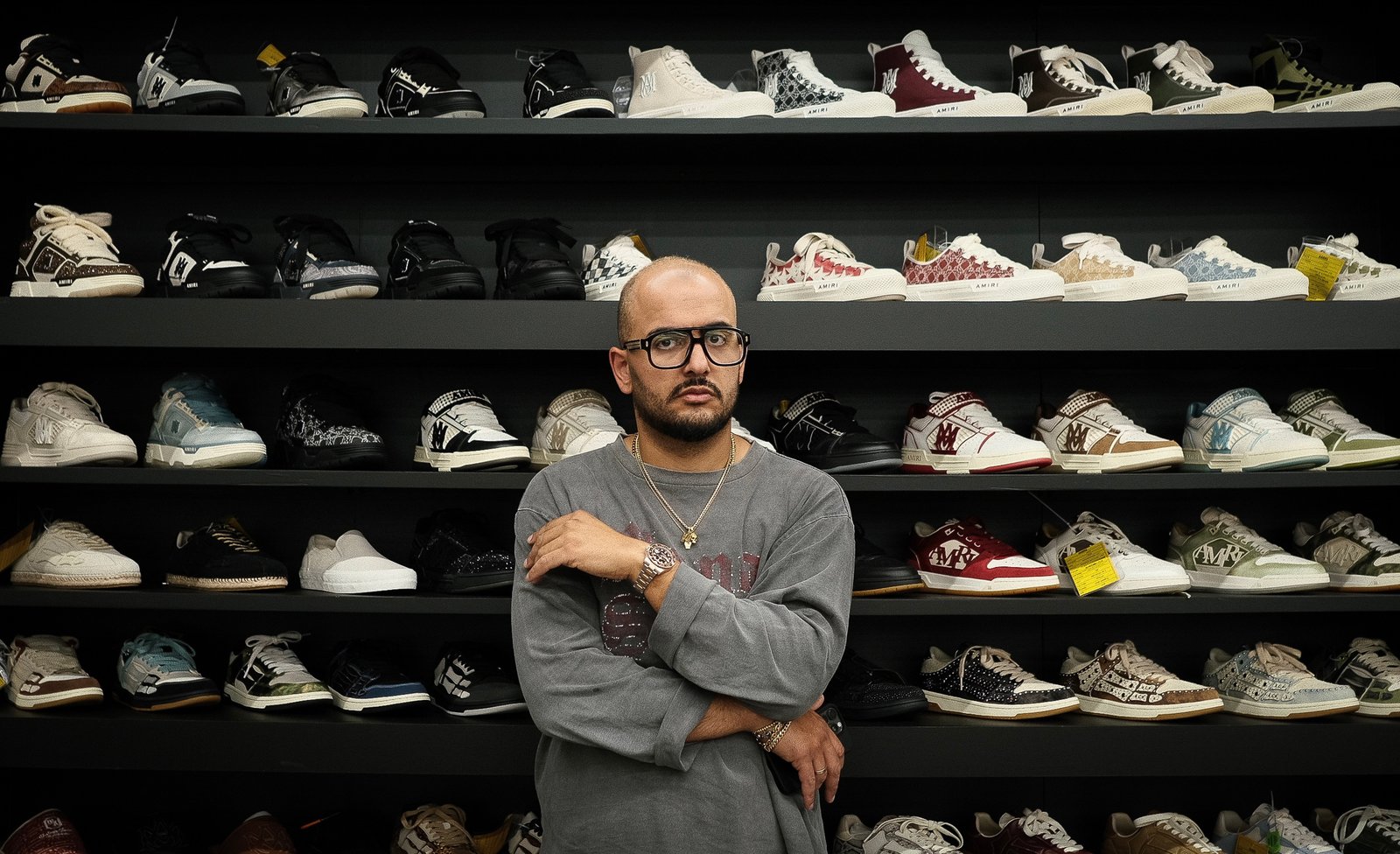
Every pair of shoes tells a story beyond what meets the eye. Behind the final product lies a process shaped by countless decisions, years of refinement, a designer’s perspective, and elements that rarely make it into the spotlight.
For Fardin, that perspective was shaped long before he entered the fashion industry. Growing up in the United States in an Iranian family, surrounded by craftsmanship through his father’s woodworking business and immersed in the rise of sneaker culture, he developed an appreciation for both making and storytelling through objects. What began as an unexpected introduction to design eventually evolved into a career spanning performance footwear and luxury fashion.
In this conversation, Fardin reflects on the experiences that shaped his approach to design, the lessons he learned navigating different corners of the footwear industry, and what it takes to build a meaningful career in one of fashion’s most competitive disciplines. Rather than focusing only on the finished product, this interview offers a glimpse into the thinking, process, and personal journey behind the work.
How did you fall into the footwear game?
Fardin: I grew up in the United States, and in high school I was surrounded by friends who were obsessed with sneakers. They’d camp out for releases and flip on eBay and Facebook groups, buying and selling rare pairs. Sneaker culture was everywhere around me.
I wasn’t the best student, and one day I ended up visiting a design exhibition with my brother’s friend, John. He was studying Industrial Design (product design), and seeing the clay models of cars, shoe prototypes, full-scale furniture mockups, and other products completely changed my perspective. It made me realize that designing products could actually be a career.
That led me to the Academy of Art University. My dad was also a woodworker all his life and owned his own cabinet shop, so I naturally developed an appreciation for craftsmanship and making things.
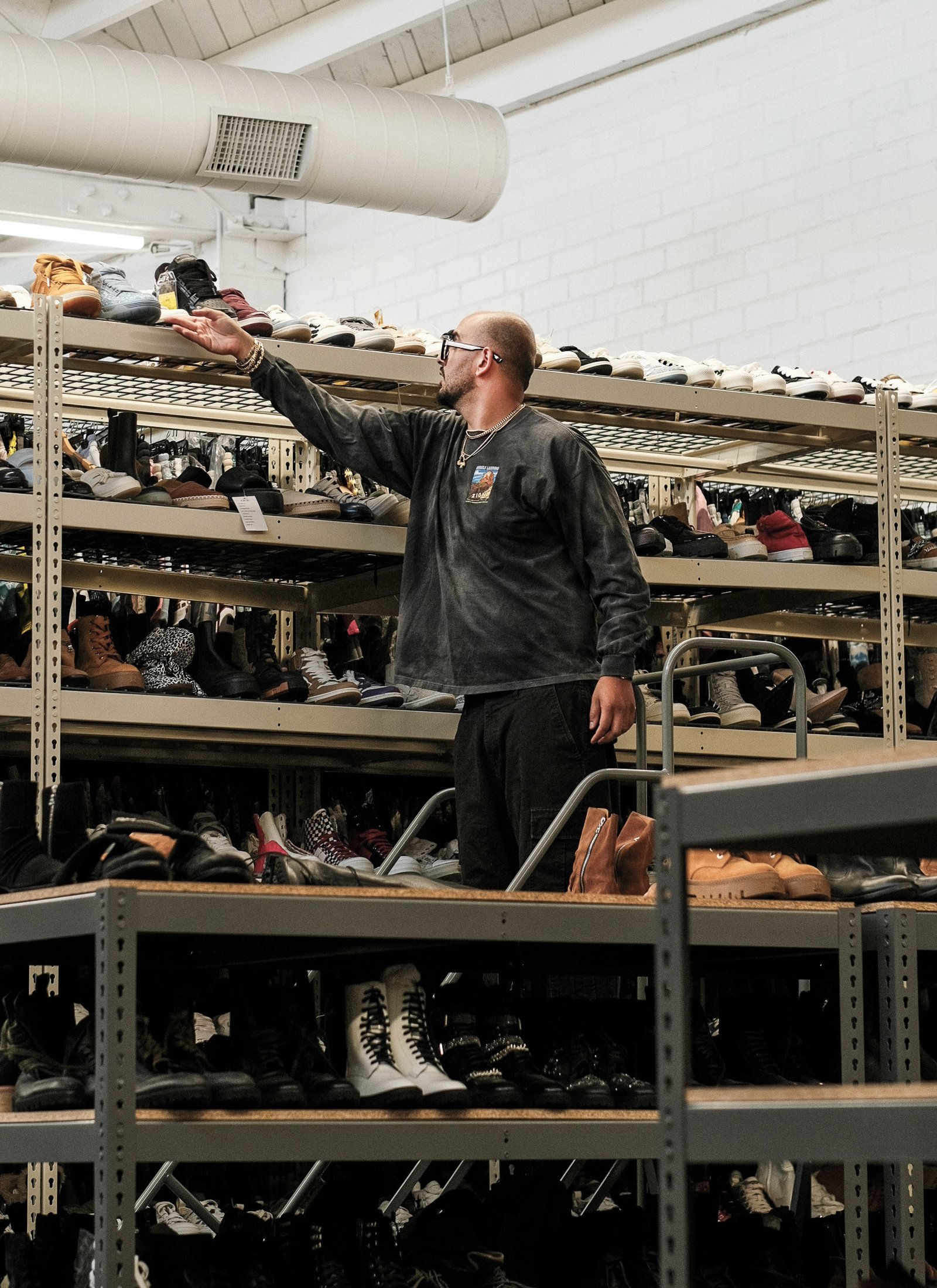
I later got a lucky break when an internship at New Balance became available. That opportunity took me from San Francisco to Lawrence, Massachusetts, in the middle of a freezing winter. I started to intern in the field of play, which focuses on the performance side of footwear. The team looked over tennis, lacrosse, football, baseball, and training. My first real learning about footwear was under Scott Kendall, an industry veteran responsible for many iconic New Balance shoes such as the 1906 and 608s.
What skills do you need to become a professional footwear designer?
Fardin: More than anything, you need to be social and know how to network. Building the right relationships and reaching the right people is one of the most valuable skills you can have. It gives you access to better resources and helps put your product in front of the right audience.
Two designers can create the exact same product, but the one who positions it better and gets it in front of the right people is often the one who succeeds.
How did your approach differ from one brand to another, from New Balance to Versace and Amiri?
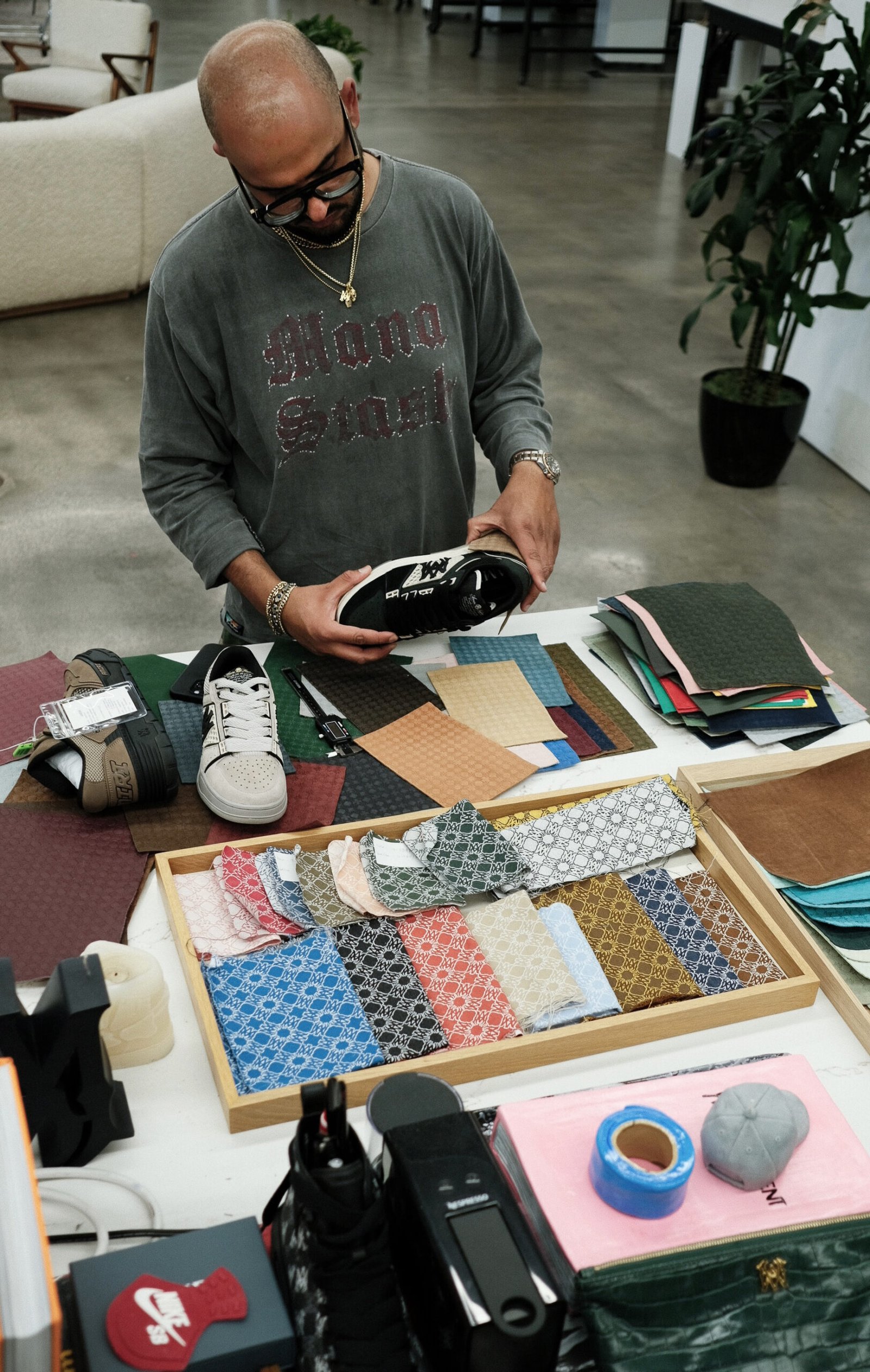
Fardin: New Balance gave me a strong foundation in performance footwear. Seeing first hand how things worked in one of the best footwear brands in the world. It was all about designing shoes around the consumer and athletes.
Versace was different. It was a luxury house with a long, strong heritage; you see a Versace product and know what it is before you see a logo. In some ways, it was around the time when fashion houses started to tap into the sneaker culture/world. I worked closely under Salehe Bembury for 3 years and helped him build the new generation of Versace footwear. Working under him was great because I got footwear design training, and also learned how he maneuvered the industry and built his name and became one of the most successful names in footwear firsthand.
Do you feel more comfortable expressing yourself at Amiri? Do you think sharing the same roots and cultural background with Mike Amiri has made that easier?
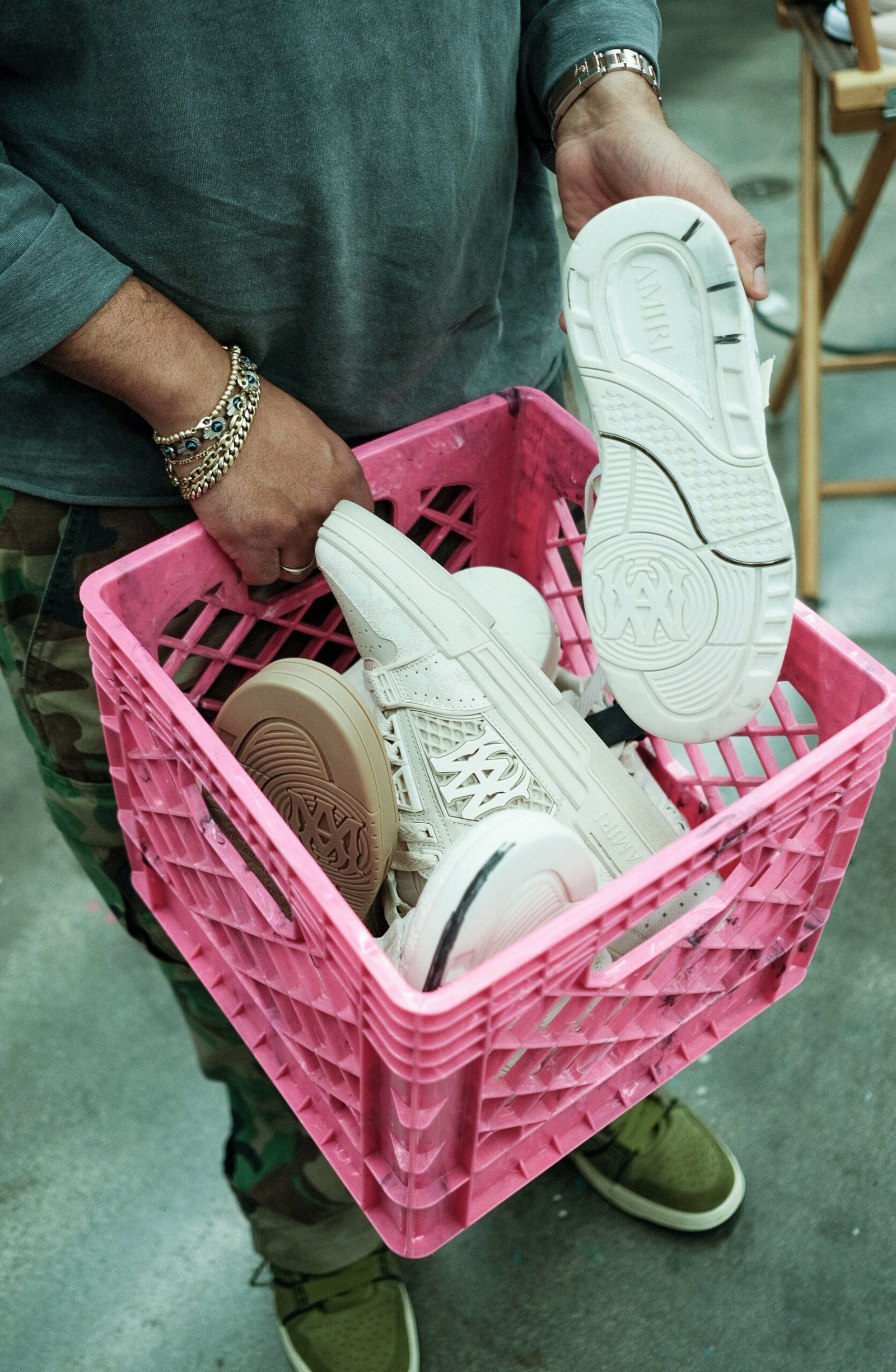
Fardin: To some extent, yes. I lead the footwear department, and there’s a real level of trust between Mike and me at this point with the success we have had together. That trust isn’t built on the fact that we come from the same country or share the same culture. It’s based on my vision and what I bring to the table.
Does our shared background help? In some ways, yes. We have cultural references and inside jokes that naturally bring us closer. But at the end of the day, the relationship is built on mutual respect and trust in the work and output.
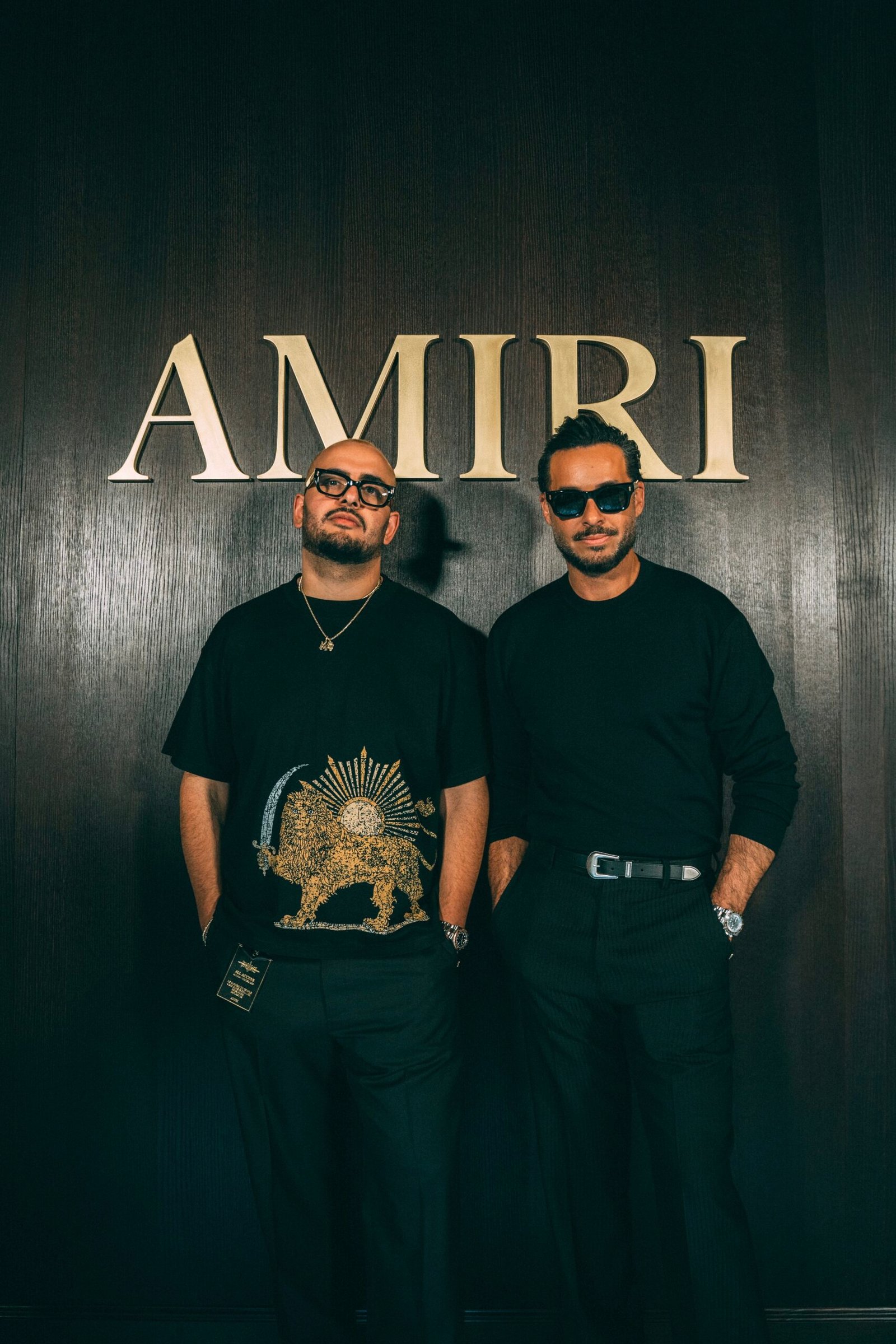
Do you consider yourself a hypebeast?
Fardin: Not really. To me, a hypebeast is usually focused on the latest drops and whatever’s trending at the moment — what’s hot and hard to get. I’m more interested in developing taste: being curious, doing the research, and understanding why you like something instead of simply following what’s new. Building your own flavor, in a way.
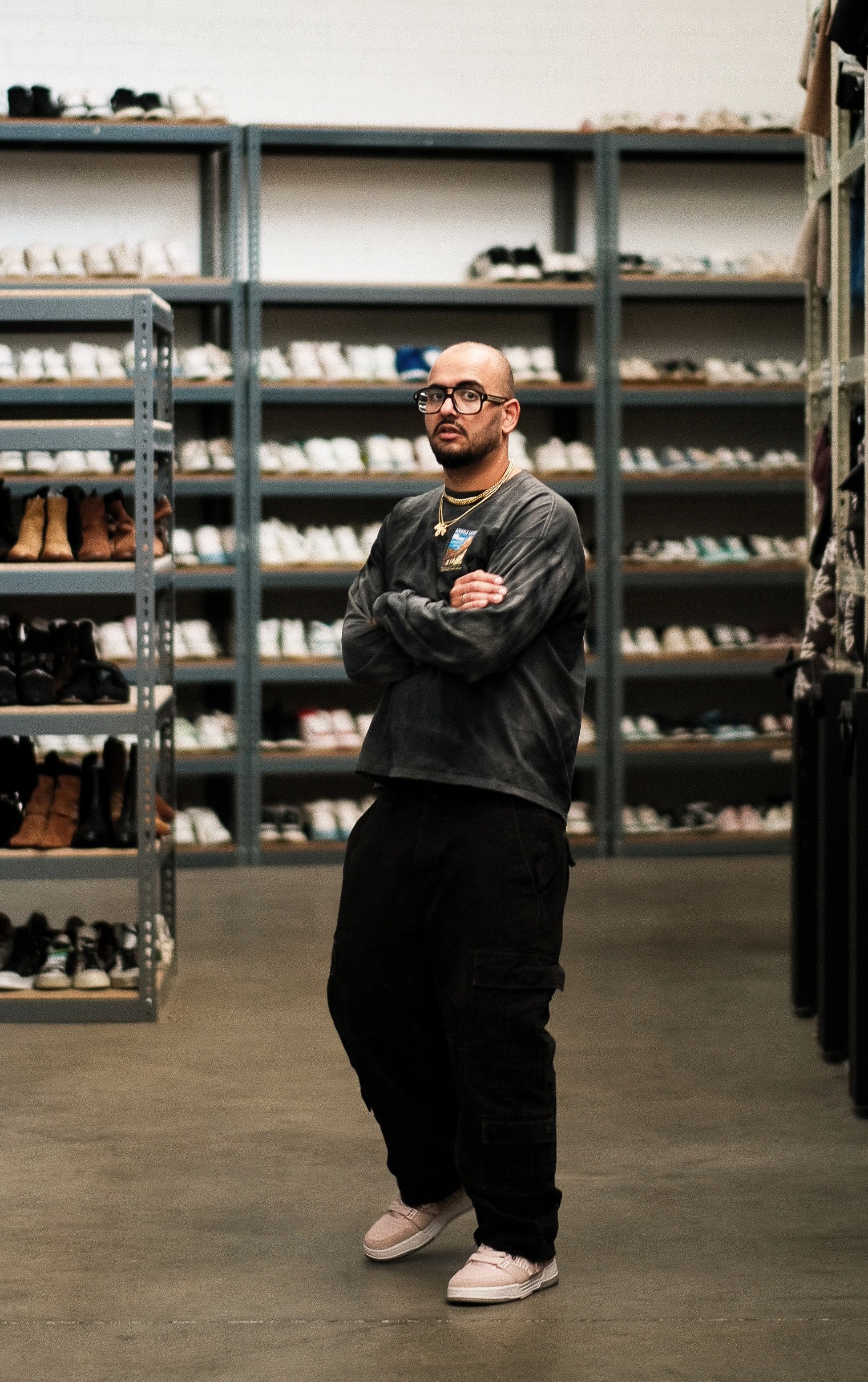
How would you define good taste, and how do you develop one?
Fardin: By seeing more of the world. Travel, experience new places, and step outside your own bubble. The more you expose yourself to different people, cultures, and ideas, the easier it becomes to mix influences and develop your own point of view.
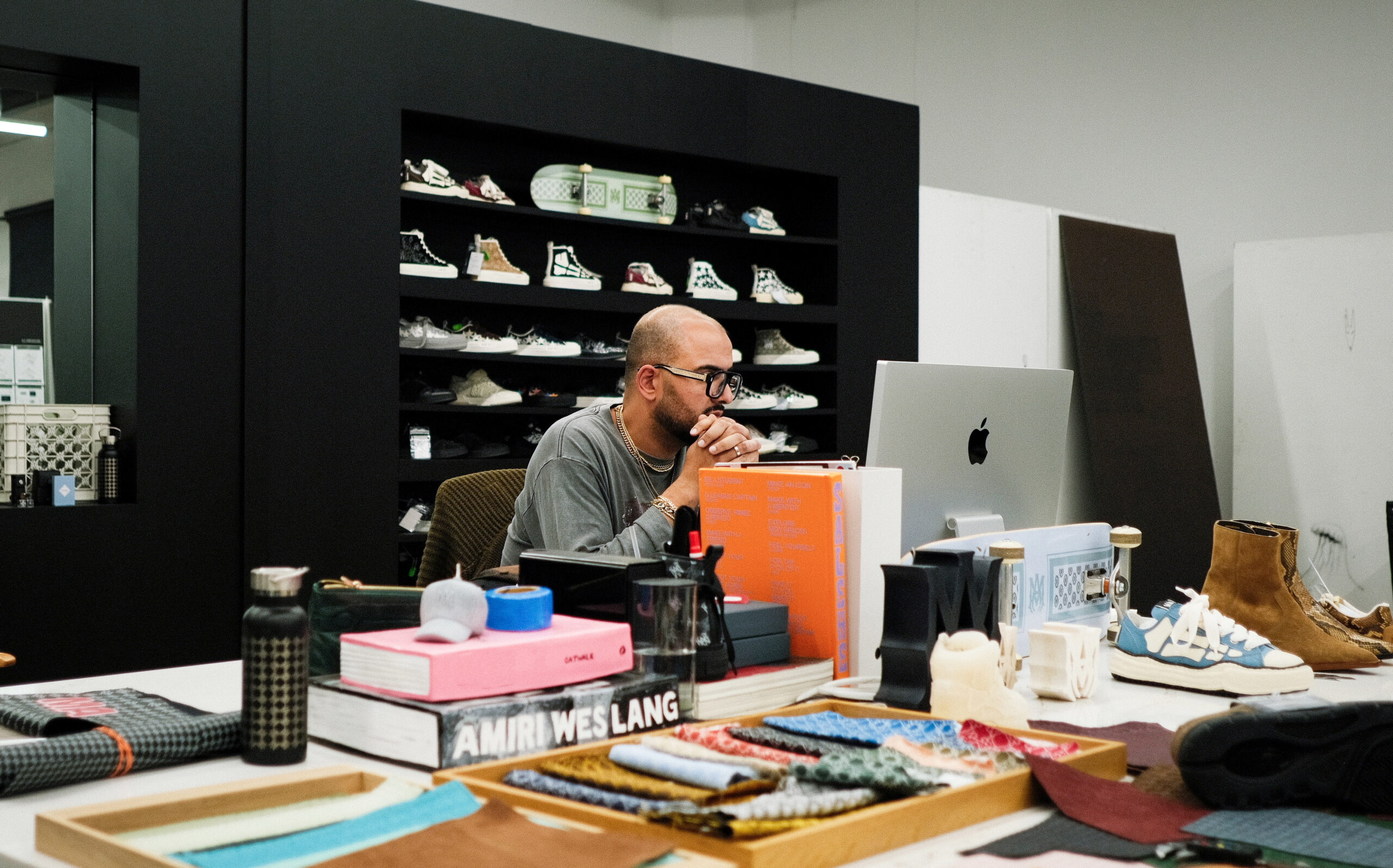
What advice would you give to the younger generation who want to pursue a career in shoe design or build a successful future in the industry? Based on your own experience, what would you tell them?
Fardin: I would encourage them to do something on their own and build things independently whenever possible. Today, finding learning resources, tools, and collaborators has never been easier. Through online marketplaces, social media, and creative communities, you can access what you need and connect with people to bring your ideas to life.
That doesn’t mean you shouldn’t apply for internships or jobs at established studios; they’re valuable experiences. But don’t wait for the perfect opportunity before you start creating. Build your own projects, experiment, and learn by making products.
Most importantly, don’t believe your future depends entirely on joining a major label. With the internet and the resources available today, you have everything you need to create, launch, and even sell your own products. Just learn how to make products independently.
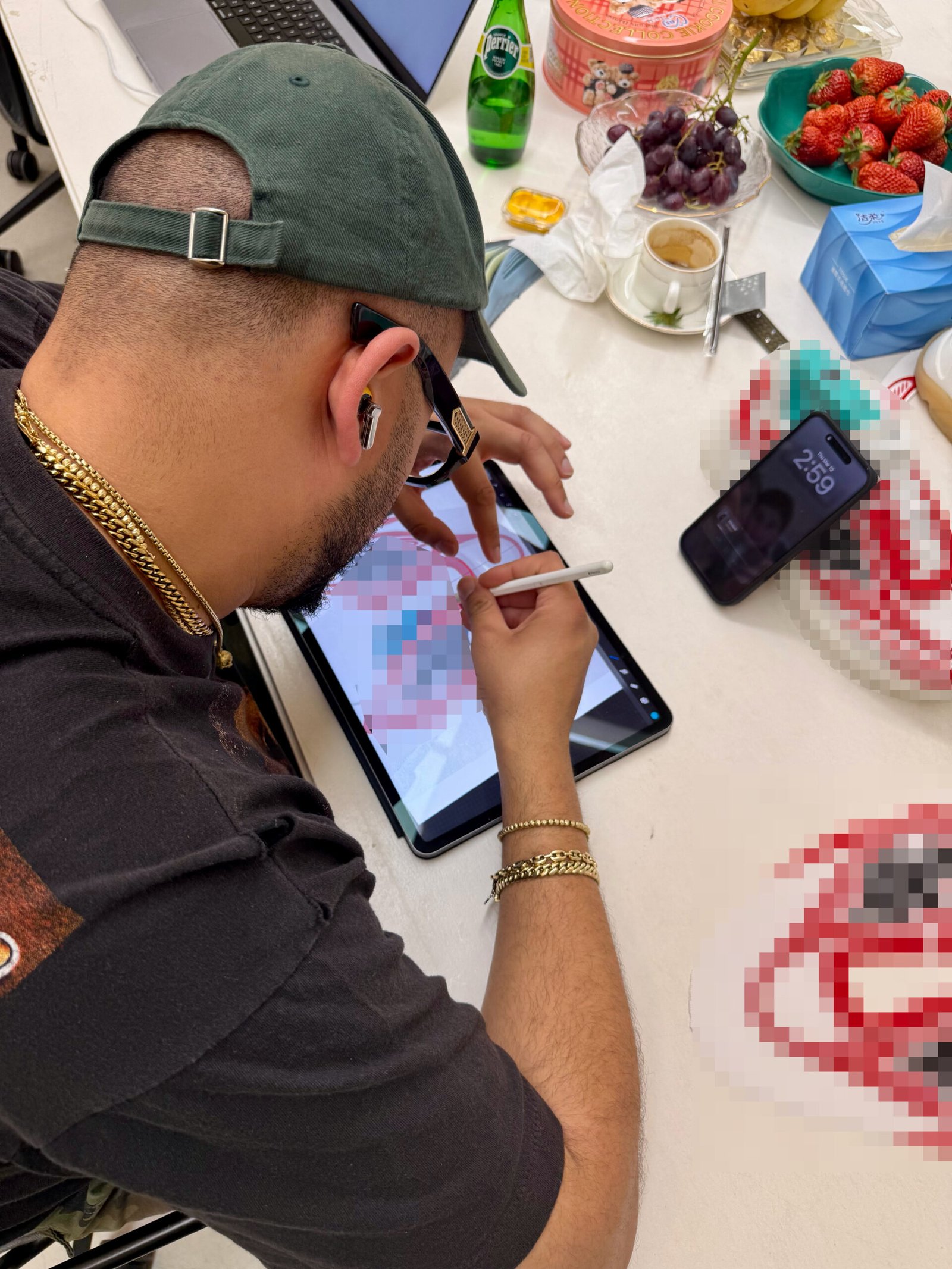
Do you consider yourself Iranian, and how much does Iran inspire your work?
Fardin: Absolutely. Being Iranian is still a big part of who I am. At home, we speak Persian about 80% of the time, and even though both of my sons were born and raised here in the U.S., I only talk to them in Farsi. Keeping that connection to our language and culture has always been important to our family.
Iran has also inspired me more indirectly. My father brought us to the United States when I was very young. He believed in the American Dream, and he spent his entire life working incredibly hard to give us opportunities he never had. Watching that shaped the way I think and approach work.
Despite the challenges the country has faced, do you feel optimistic about the future of Iran’s younger generation and its creative potential?
Fardin: I think it ultimately depends on the level of freedom they’re given. The talent is absolutely there, and every time I see the younger generation, I’m reminded of how much creativity, intelligence, and potential they have. That gives me a lot of hope.
But for that creativity to truly flourish, people need the freedom to express themselves, experiment, and build without unnecessary limitations. So while I’m very optimistic about the talent and the creative future of Iran’s younger generation, I believe so much of that future depends on the social and political freedom they’re given to realize their full potential.