


catching an artist right at the start, before the noise builds. And sometimes it means witnessing an artist reshape their own language. Take a risk and step somewhere unfamiliar. It’s not a genre or a trend, it’s a moment. When the work shifts, the risk feels real and you can hear something opening up
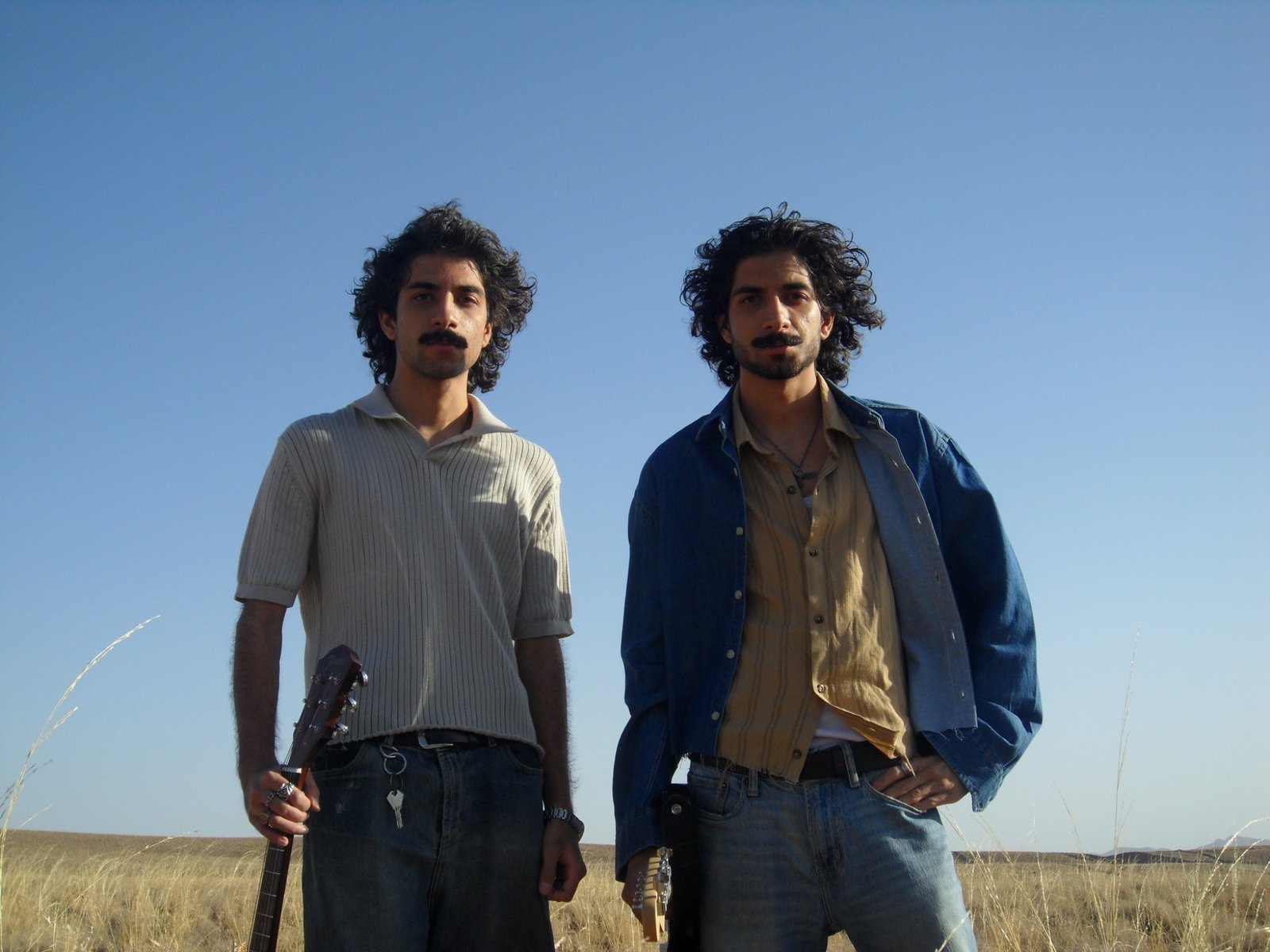
Liboynah X lisilka
“We didn’t start with a plan,” say twin brothers Reza and Hossein, known as Liboynah and lisilka . “We got a guitar on our 17th birthday, but it just sat there for years. Once we started making beats, we remembered it, and that’s how everything began.” For the 22-year-old duo, who hail from Kerman, Iran, calmness isn’t just a sound, It’s who they are. “Our family is calm. We’re calm. It’s natural that our music feels calm,” they explain.
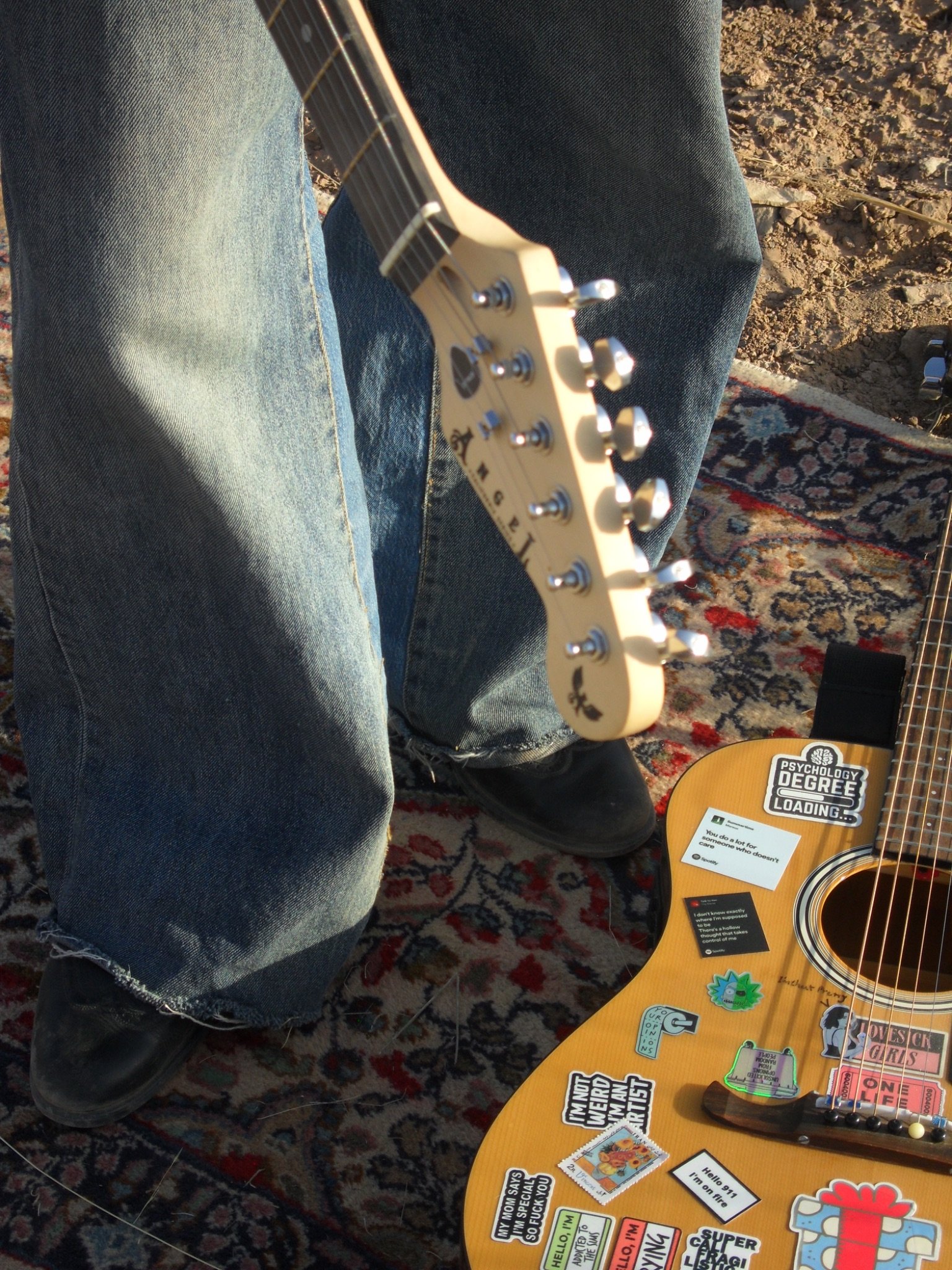
Their latest album, Brown Green, is steeped in nostalgia. “It’s like walking through old memories. We blend English and Farsi lyrics because that’s how we feel connected to both sides of us.” Their influences span continents. “Radiohead, The Neighbourhood, Lana Del Rey, and Asal, they all shaped us,” they say. “But we always wanted to do something that feels like us, too.”
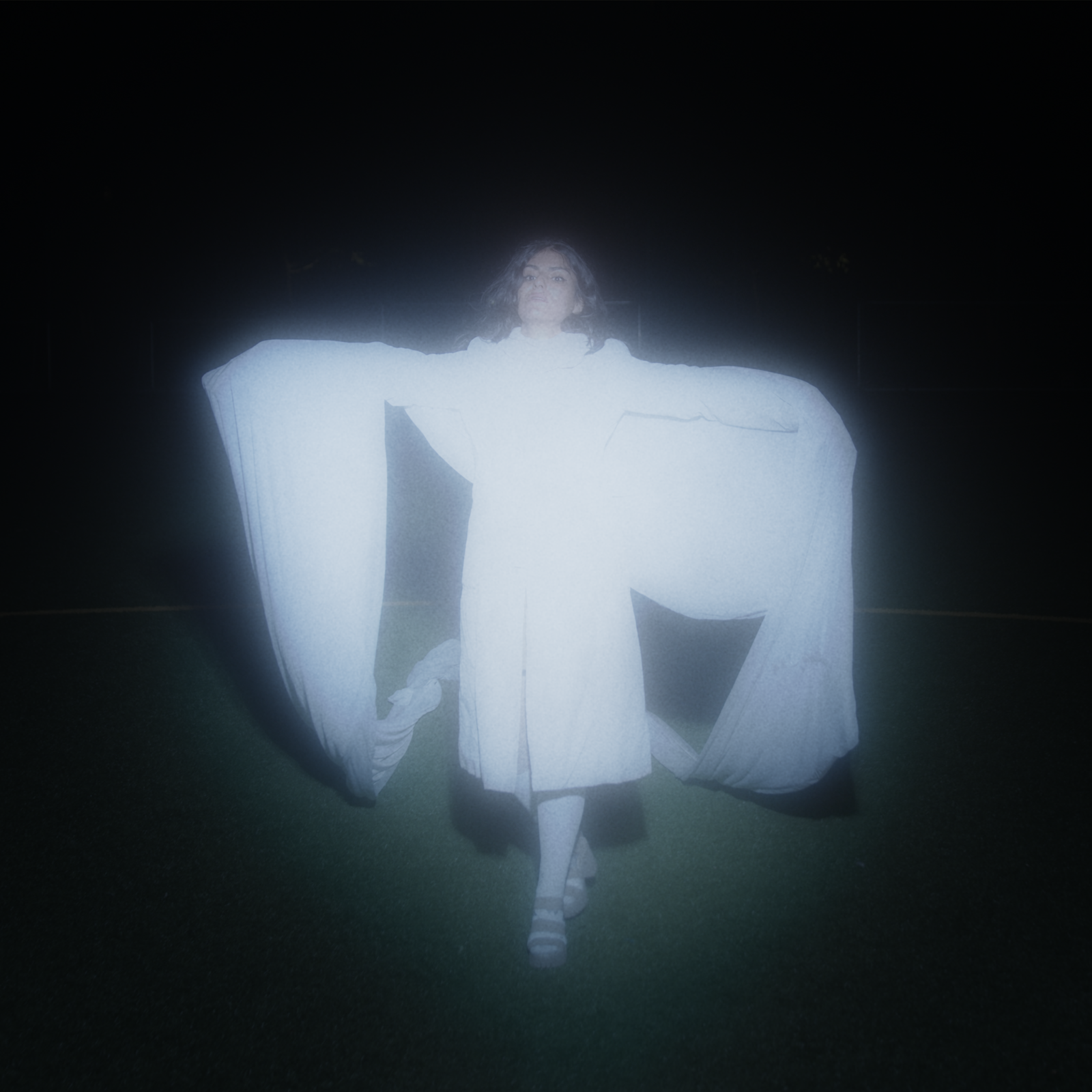
Pari Eskandari
“God undresses me so that I can discover who I truly am,” says Iranian-German artist Pari Eskandari. Her forthcoming album, GOD UNDRESSES ME, turns that radical unveiling into a ritual: identity, desire and illusion dissolve as she surrenders to what lies beneath. “I create my own reality,” she says of Made by the Creator, one point in an album that moves between dark electronics, experimental pop and traces of Middle Eastern harmony, with Eskandari leading its production. Elsewhere, rebellion becomes spiritual. “I’ve hated institutions since I was a child, and they’ve hated me too,” she recalls on Spirit Soul, before declaring: “I’m a spirit soul, available body.”
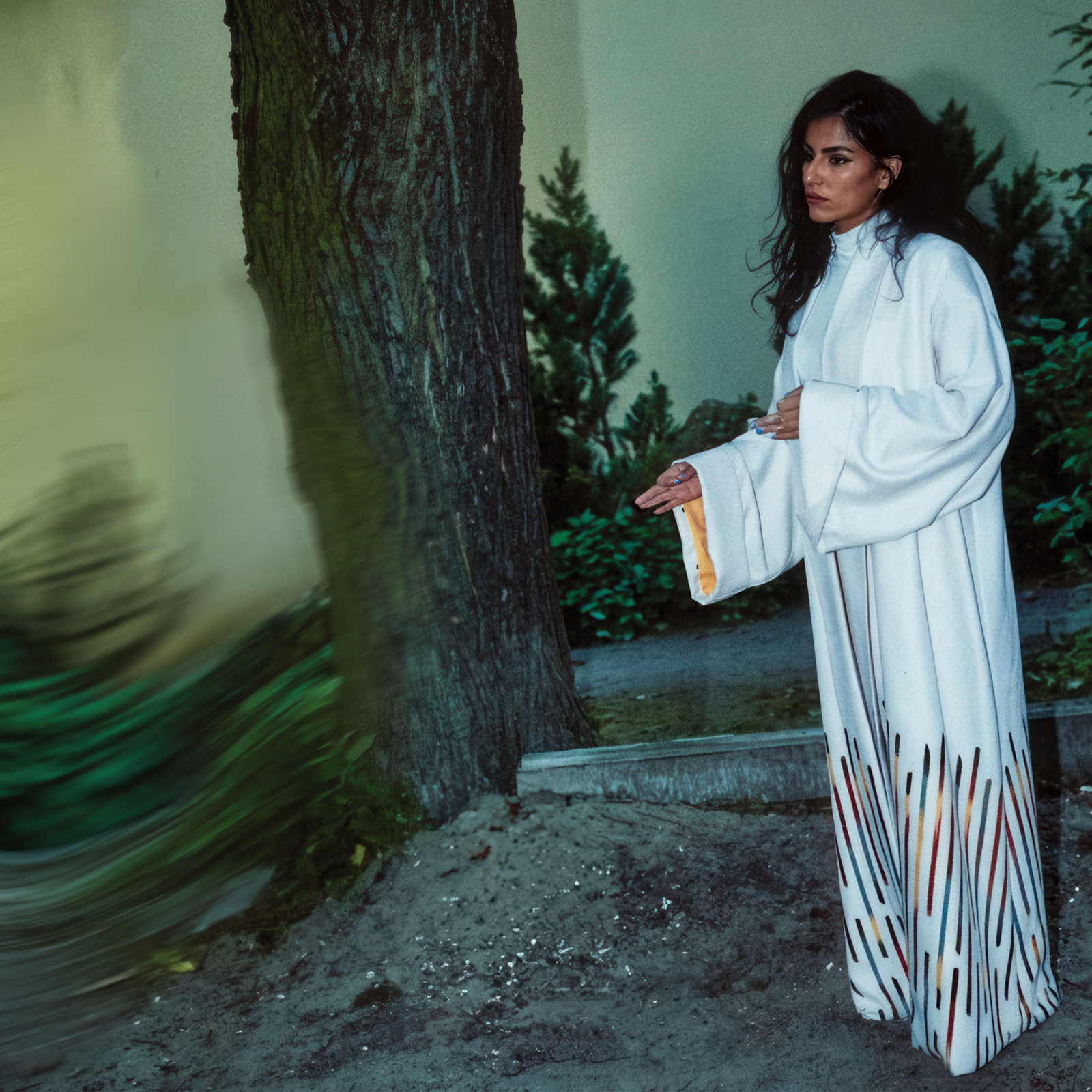
Two tracks turn to Farsi, including Giah-e Vahshi (Wild Plant), where an untamed plant becomes a symbol of an inner fire that illuminates rather than destroys. Across the record, surrender never means submission. “I make love to the light, I make love to the dark,” says Eskandari. Part prayer, part invocation and part confrontation, GOD UNDRESSES ME leaves one question hanging: what remains when everything you thought you were is stripped away?
Seper X Lorenzo
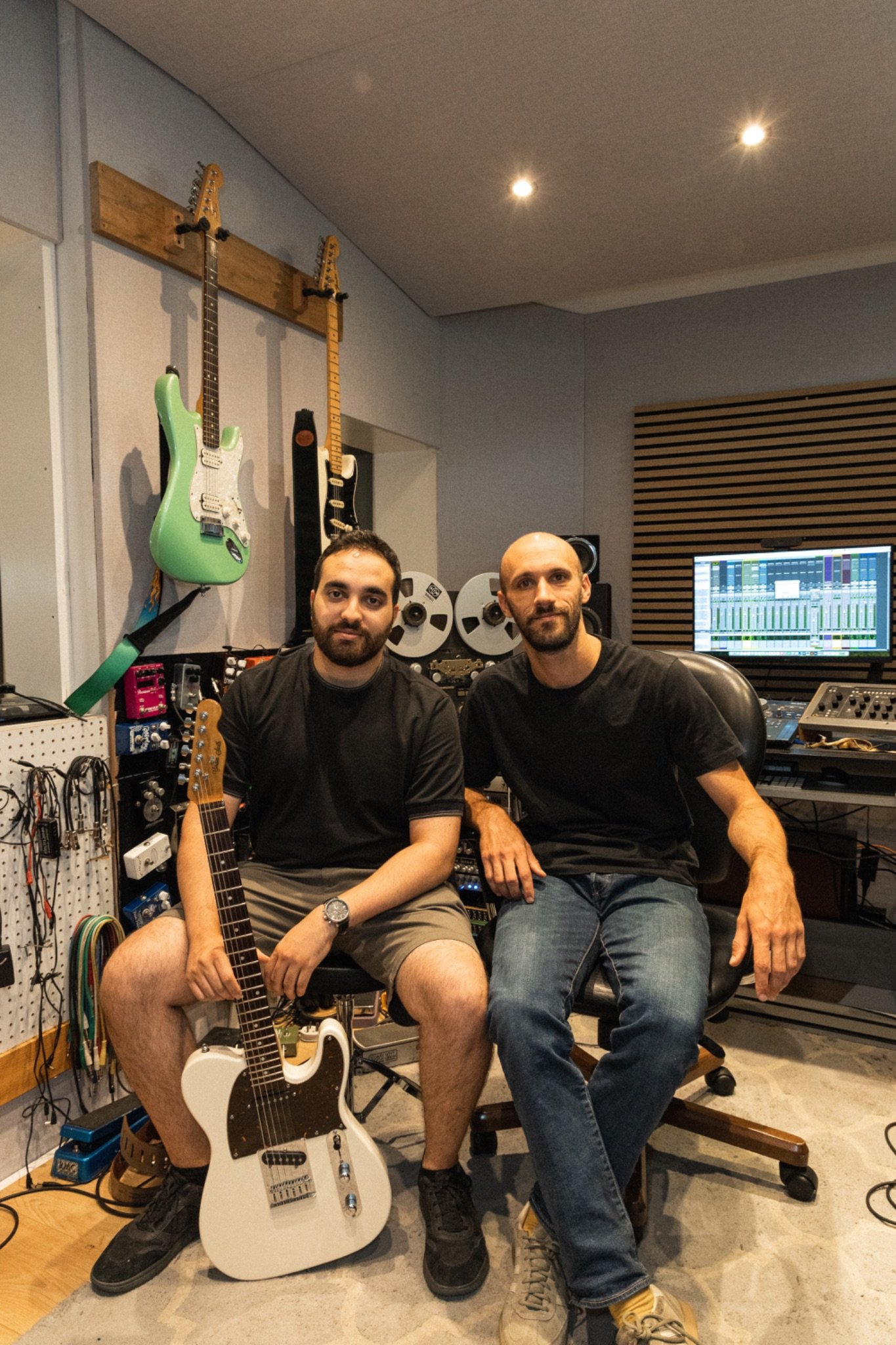
A studio booking mix-up brought Seper and London-based multi-instrumentalist and producer Lorenzo De Feo together. By the end of that same day, they had made In Your Own Bad Way, beginning a collaboration that would grow into a key part of Set Down and its more singer-songwriter-led sound. “There’s something special about Seper’s early sketches,” says Lorenzo. “The guitar and vocals give me an immediate sense of where the production should go, so it becomes less about trying endless ideas and more about making the most of that initial instinct.”
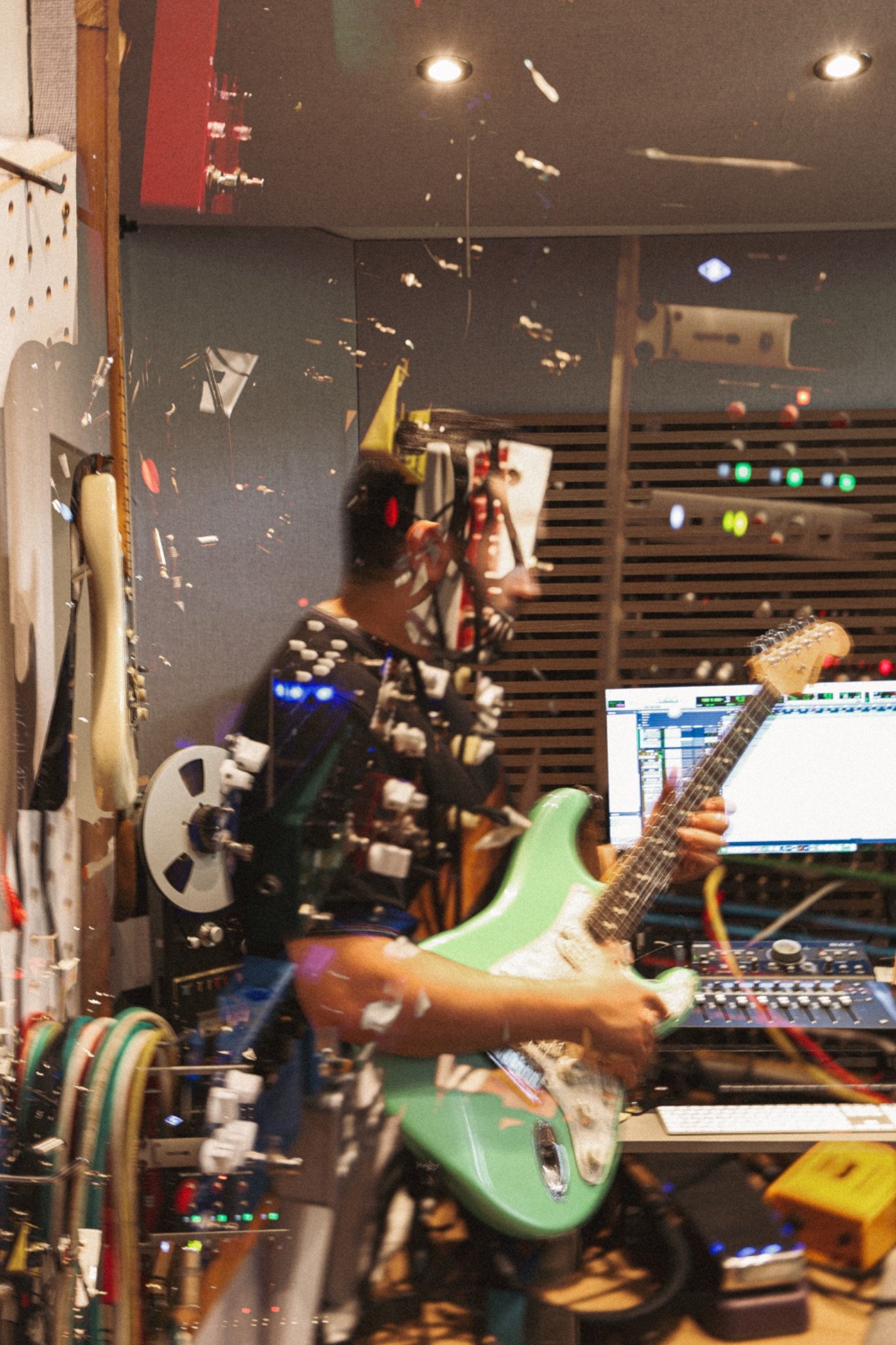
Their roles remain fluid across the project. Lorenzo’s contributions move between production and engineering to drums, bass and guitar. “Sometimes I was only the singer and left the musical side to Lorenzo; other times, he became a facilitator, helping me reach the sound I was looking for,” says Seper. That freedom is especially present on Everything I’ve Seen, the last track they worked on together at Lorenzo’s personal studio. More energetic and instrumentally distinct from the rest of the album, the track reflects what Seper describes as a space where they could be more playful: “You need to feel comfortable enough to make mistakes confidently,” he explains, “to create something from the rubble of ideas that don’t work, while recognising the golden ones that shouldn’t be overproduced.”
Ardaa
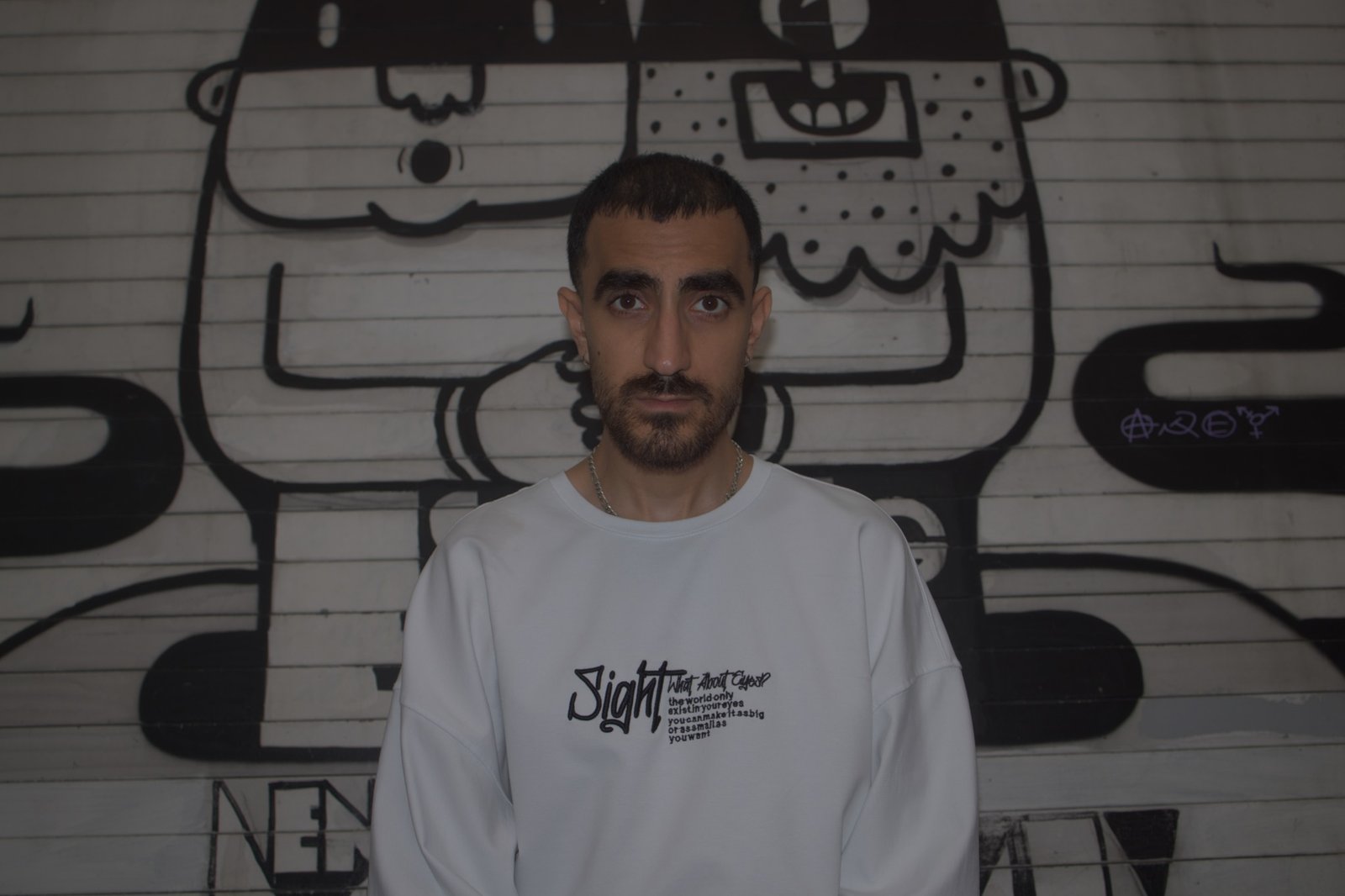
Ardaa started playing piano at six. At 16, he began composing neoclassical pieces of his own. But singing was always the real ambition. “My dream was always to sing.” Rap came early, too. First Persian rap. Then American hip hop. Growing up in Iran, Ardaa gravitated towards the underground, old-school, and lyrical. Then he left Iran. The plot twisted. In Montréal, melodic trap and Auto-Tune opened a door he hadn’t known was there. The worlds created by artists like Don Toliver, Frank Ocean and Lucki suddenly made sense.
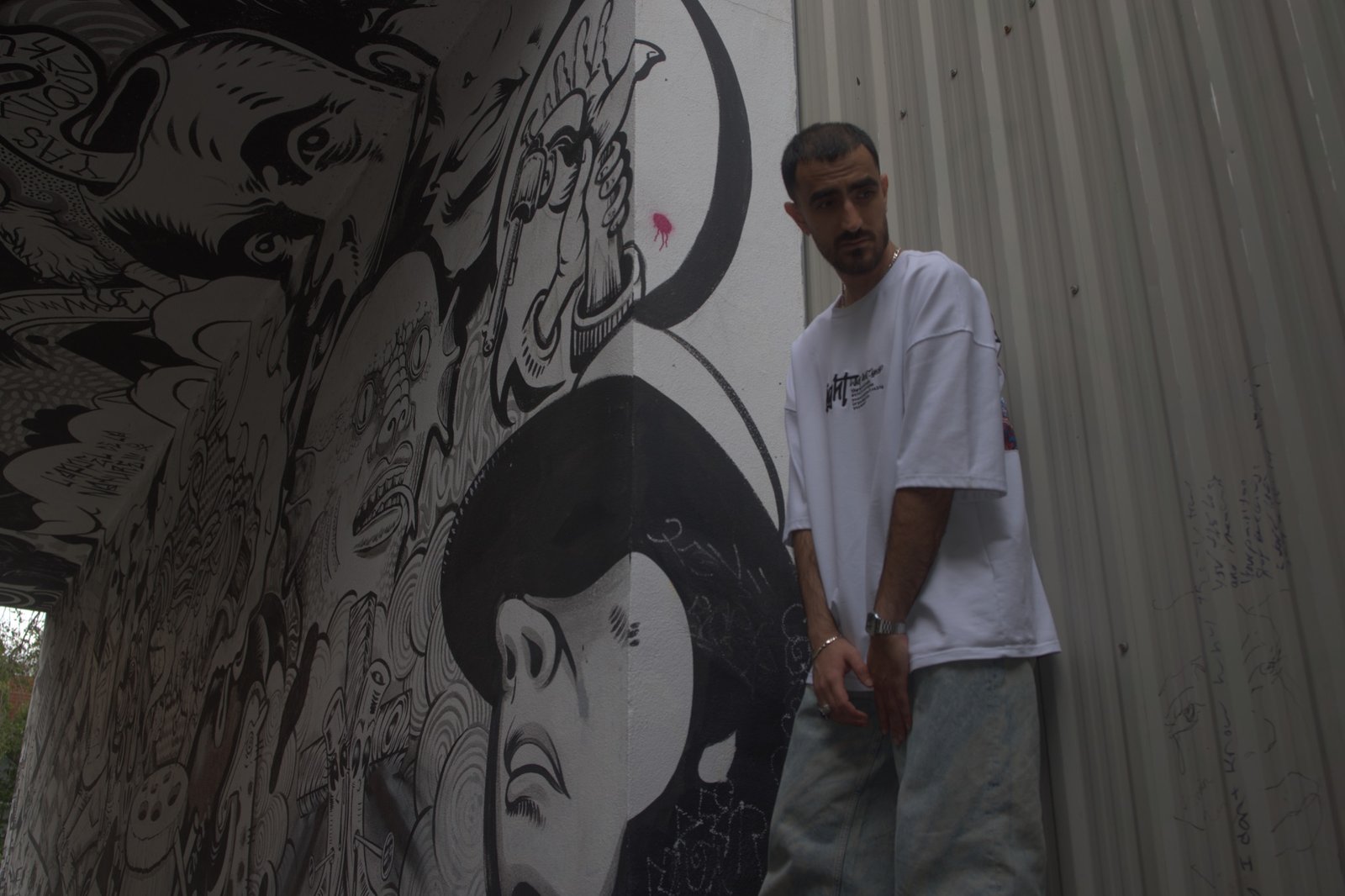
Ardaa isn’t interested in putting all of that into a neat category. He would rather make something he hasn’t heard before. “I’ve always tried to make what no one else has made, but I’m dying to hear.” Rapper? Singer? He isn’t sure. “Who exactly I am is still a mystery, even to me. I just want to be a composer who makes trap.”
Nixy
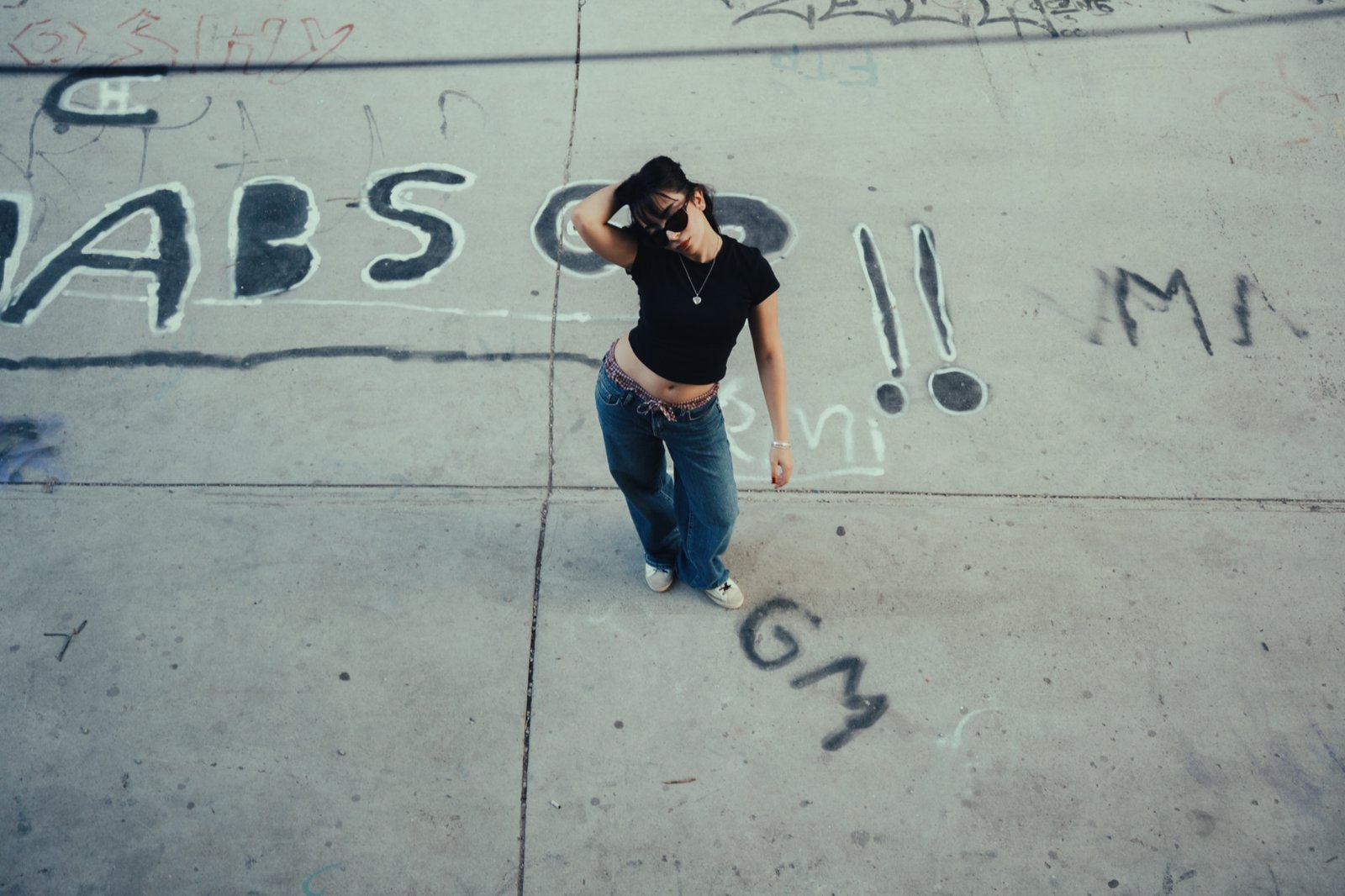
“The reason I started making music was to discover myself, to understand who I am and what I truly like,” says Nixy. After building an audience through singing from the age of 15 on social media, the 21-year-old is now focused almost entirely on original music, letting each release shape her evolving identity. “Stepping away from toplining for hip-hop collaborations gave me the space to explore my own ideas,” she explains. “I feel calmer as an artist because I have more control over my music, and I finally feel like I’m exactly where I’m supposed to be.” She continues to work with producers on her own material, but her goal now is creative ownership.

Her latest release, Forever Asleep, is another step in that process, with more single releases already on the way. “Songwriting has always been interesting to me because it makes me think more deeply about myself, my experiences, and my feelings.” Nixy continues to explore different sounds and musical approaches, drawing from the wide range of influences that have shaped her as a listener and artist.
Gord
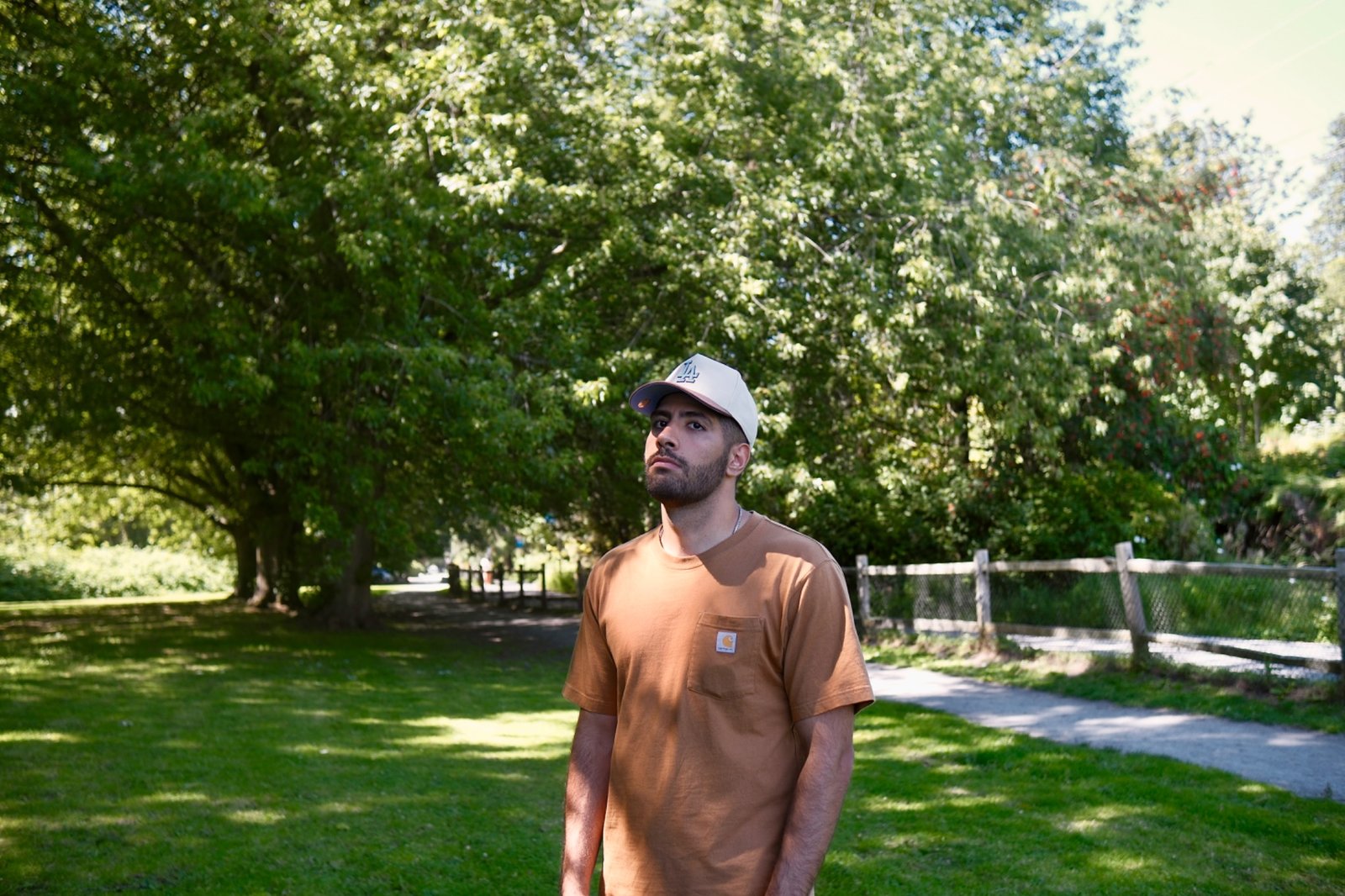
Gord likes to watch. The Iranian rapper, now based in Vancouver, treats what happens around him as material for a story. A detail from everyday life can be enough. “I try to always be a good observer and look at everything around me as a story,” he says. His own experiences often end up there, mixed with metaphor and shaped into something almost visual. “It’s as if I’m painting a picture.” Words have color for Hamed. Feeling matters just as much. And when it comes to sound, he is equally particular.
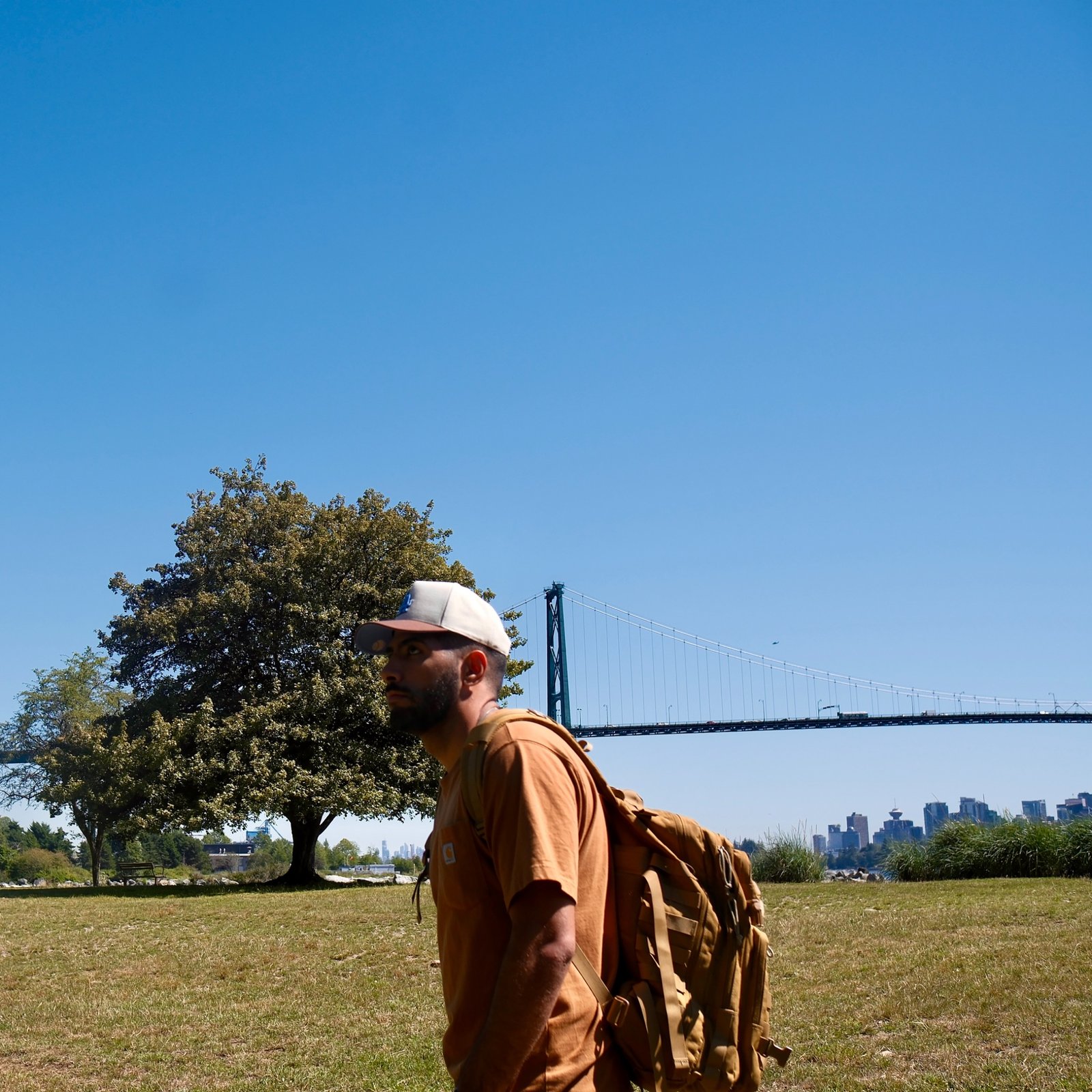
His idea of rap was shaped early by poetry, subtlety, and wit. Records like Hichkas’ Jangale Asfalt, Quf’s Zir o Bam e Zirzamin, Fadaei’s Adl and Aein’s Navar showed him what those qualities could sound like in Persian rap. Moving abroad pulled him deeper into American hip hop. But another instinct keeps pulling him backwards. Nostalgia. “I think I’m generally drawn to things that remind me of something nostalgic,” he says. “Maybe that’s why I’m so interested in sampling.” For someone so interested in metaphor, the principle behind Hamed’s music is surprisingly literal. “I try to be real. That might sound like a very simple thing, but I think actually doing it is really difficult.”