


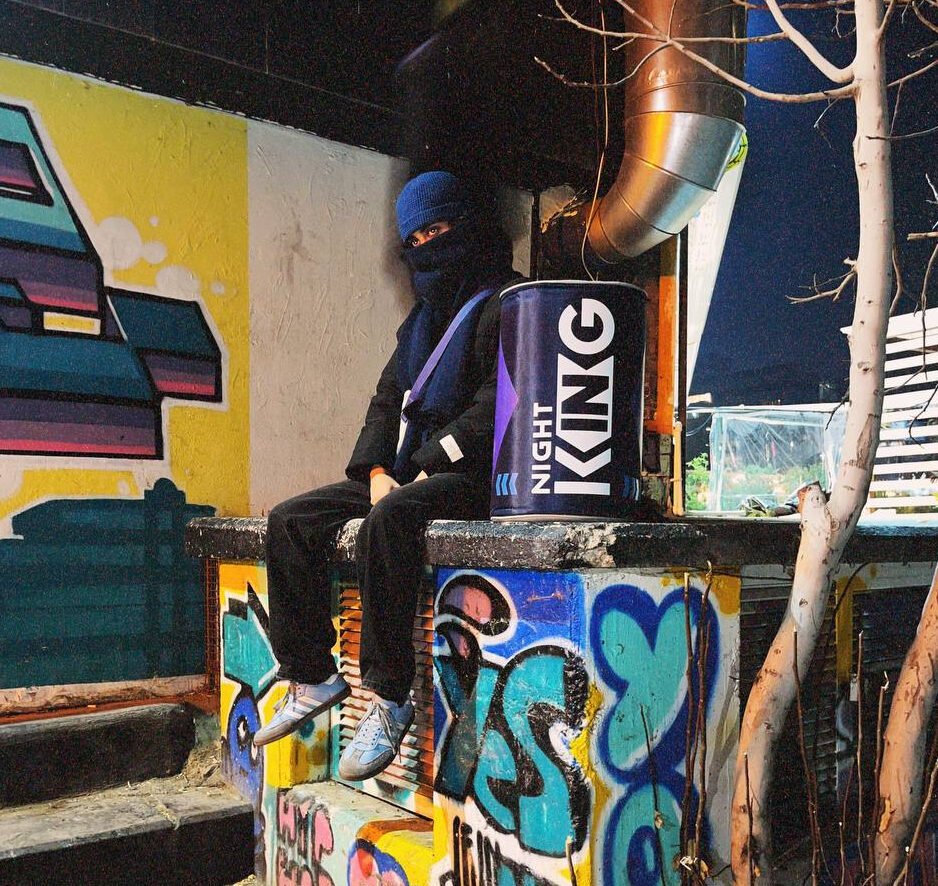
In Tehran, culture does not always wait for a venue, a calendar or an invitation. It appears in temporary spaces, underground rooms and unexpected collaborations. Night King has been finding ways to support the people making those moments happen.
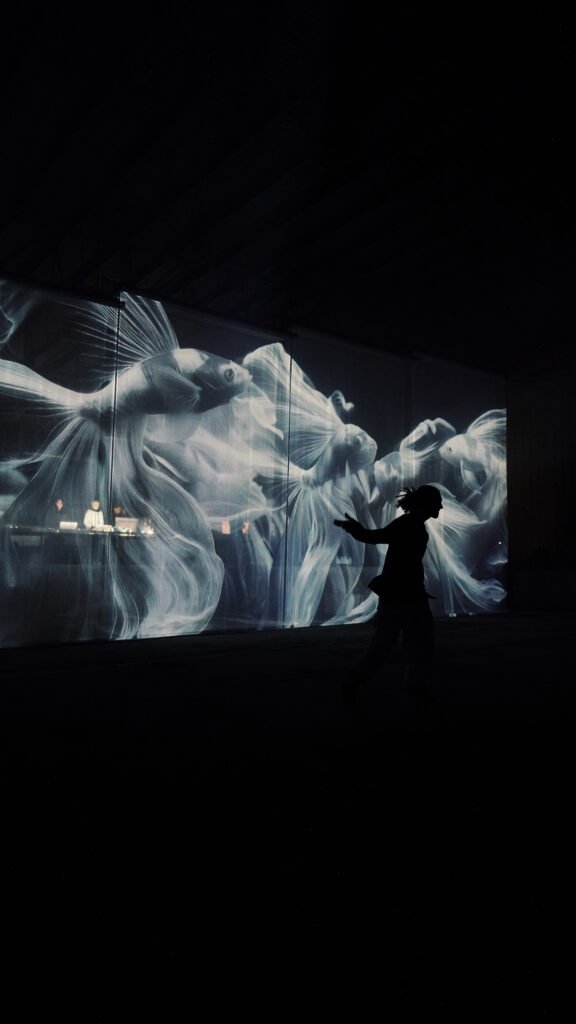
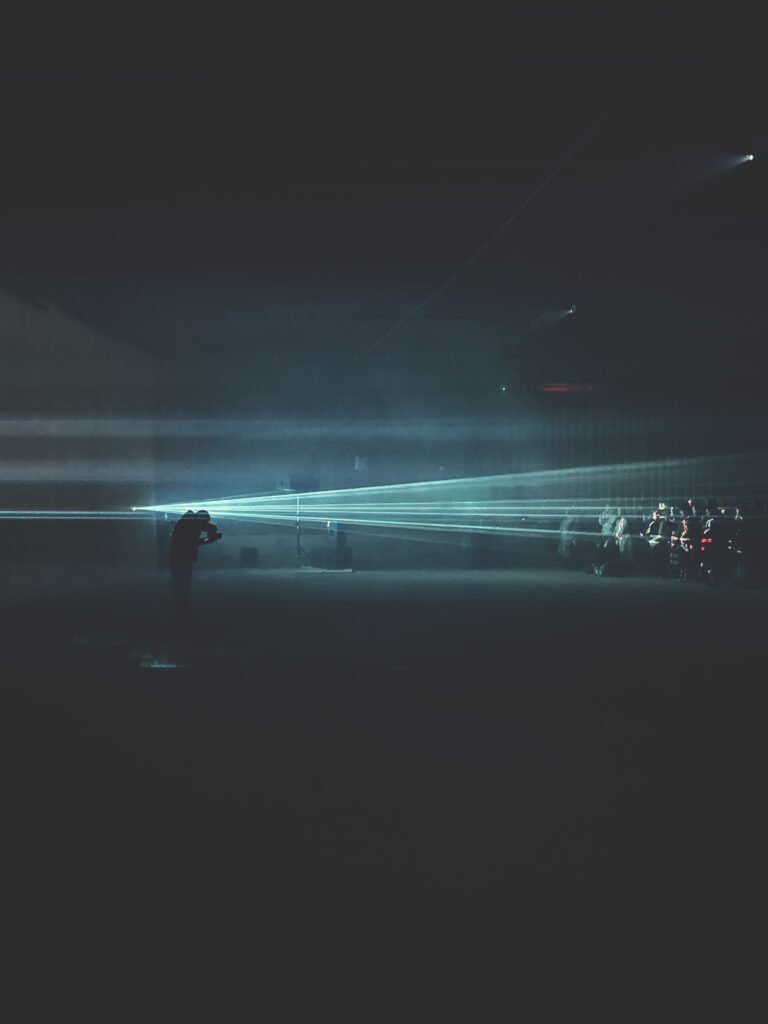
There is a particular kind of energy that only appears after dark.
It is there when a DJ plays a new track to a room that has never heard it before. When an artist turns an unfamiliar space into an installation. When a designer stays up finishing a visual identity for an event happening the following night. When a group of people with very little budget, but plenty of conviction, turn an ordinary location into somewhere people want to be.
It is difficult to put that kind of energy on a calendar.
In Tehran, some of the city’s most interesting cultural activity happens outside established venues and conventional categories. Pop-ups, independent events, underground music nights and temporary creative spaces have become meeting points for a generation moving between music, fashion, art, design, technology and nightlife without needing to choose just one.
This is the landscape Night King has been stepping into.
The brand’s involvement has taken different forms: supporting Tehran’s pop-up events, collaborating with DJs and producers, developing opportunities for emerging creatives through Night Stormers, and working with spaces such as Dayhim Art Society to explore what happens when music, art and technology occupy the same room.
Rather than treating these activities as separate campaigns, they point towards a larger question: what does it mean for an energy drink to participate in a culture whose energy is not necessarily physical?
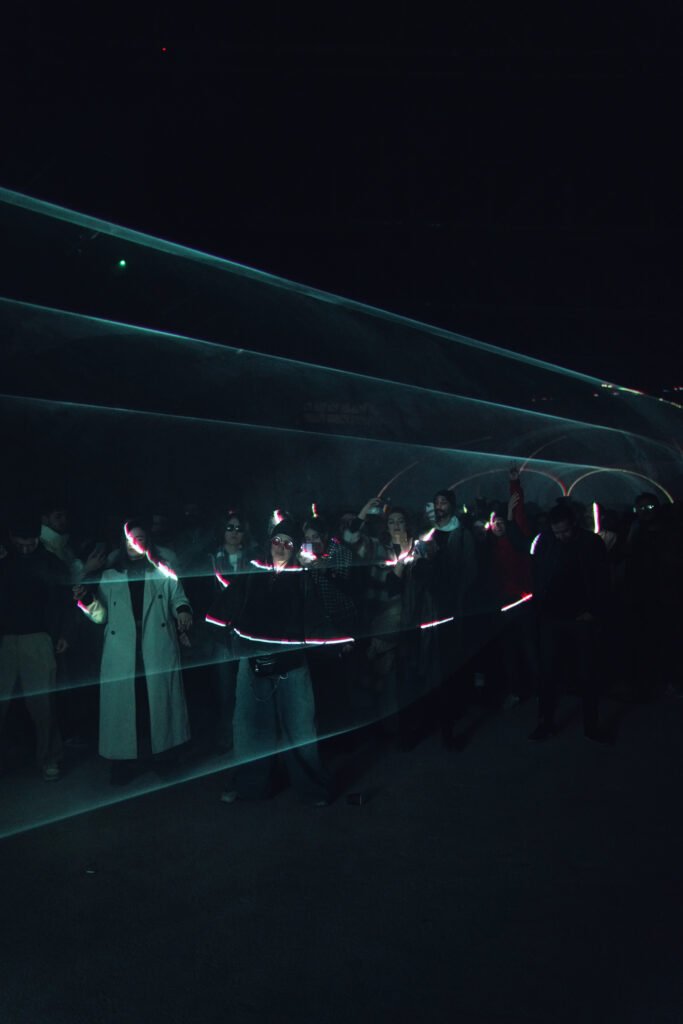
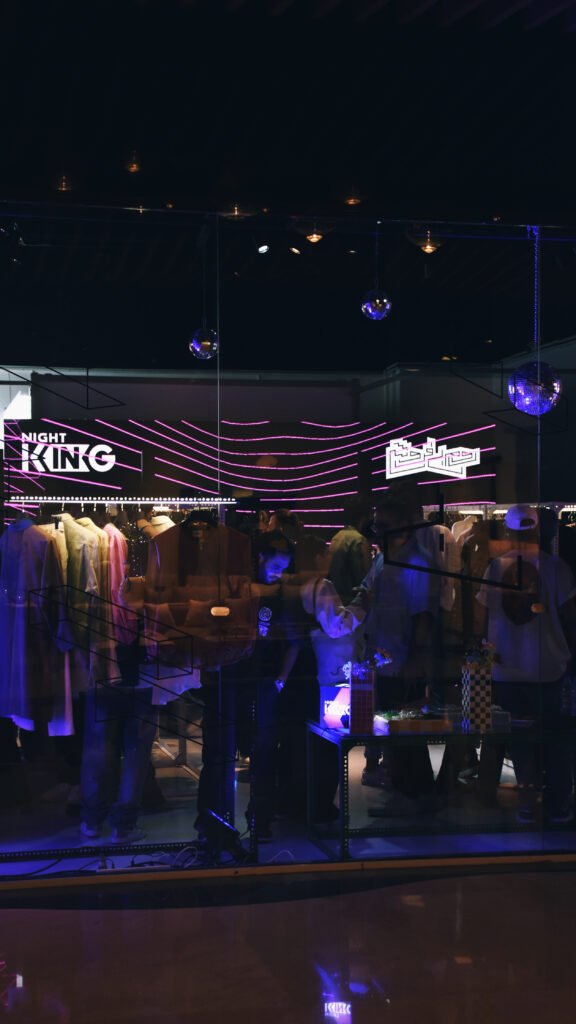
ENERGY ISN’T JUST PHYSICAL
For a long time, the language around energy drinks was fairly straightforward: speed, strength, sport, stamina, performance.
But the way a younger generation spends its energy is considerably less linear.
A DJ can spend hours preparing a set. A producer can work on a track for months before anyone hears it. A designer can build an entire visual world around an artist or event. An organiser can bring together a lineup, find a venue and create an experience that disappears again before most of the city knows it happened.
Night King’s activity has followed these different forms of energy rather than restricting the idea to physical performance.
Its work around Tehran’s pop-up culture is one example. These events can be small, temporary and uncertain. They might bring together an unfamiliar lineup, introduce an emerging artist to a new audience or turn an unexpected location into a cultural space for a night.
Night King has supported this kind of event culture from an early stage, recognising the value of the infrastructure around the experience as much as the experience itself.
Because an event does not happen simply because people arrive.
Someone has to imagine it, produce it, find the artists, build the atmosphere and take the risk that people will actually show up.
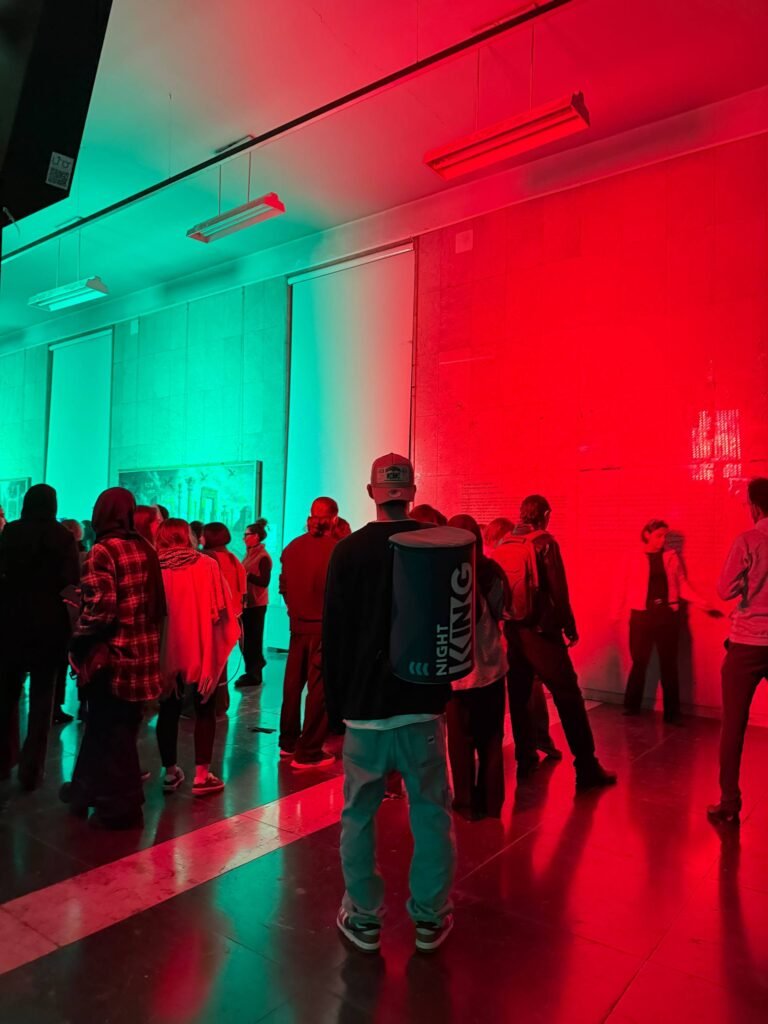
TEHRAN AFTER DARK
There is another Tehran that becomes visible after the usual working hours.
It exists in temporary venues, independent spaces, studios, galleries and locations that may only become culturally significant for one evening.
The city’s pop-up culture has become particularly interesting because of its ability to bring different creative communities into the same space. A music event can become a meeting point for fashion people. An artist can find a new collaborator through a party. A designer can meet a producer through a project that neither would have encountered otherwise.
Night King’s involvement has included supporting these gatherings as platforms for exactly that kind of exchange.
The point is not simply that a brand appears at an event. It is that the brand helps make room for an event, its organisers and its creative participants.
That distinction becomes important in a scene where cultural value is often created precisely because there is no established formula.
THE UNDERGROUND KNOWS WHAT’S NEXT
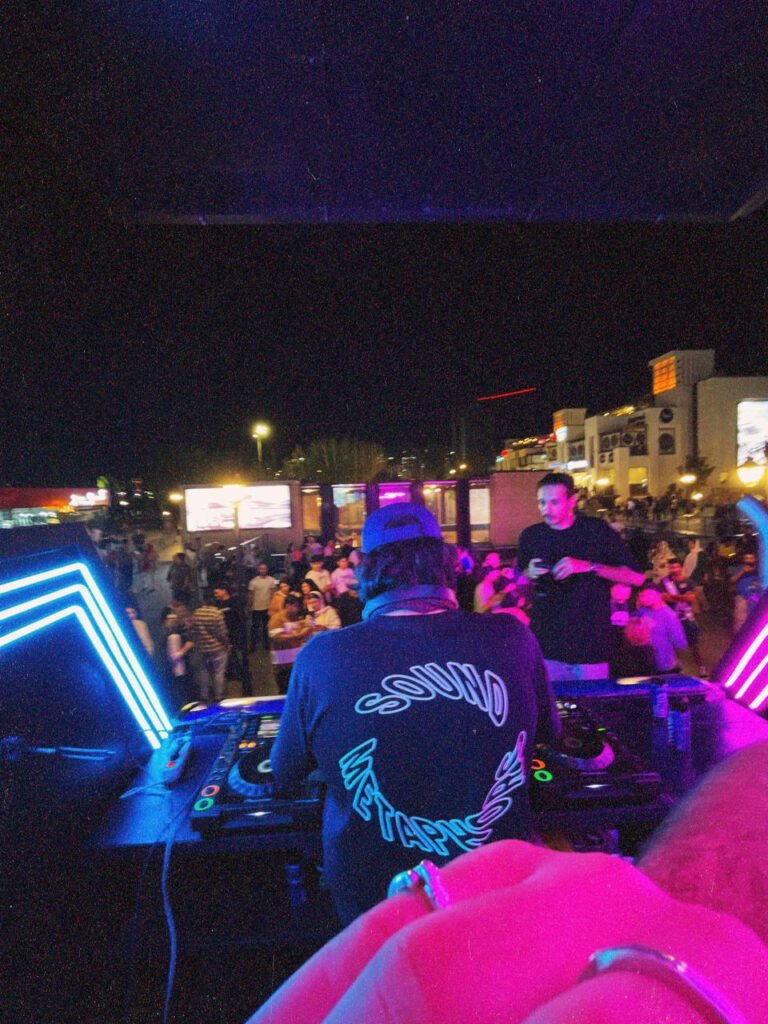
If pop-ups provide the space, underground music often provides the soundtrack.
Every scene has a period before it becomes recognisable. Before a sound acquires a name, there are people testing it in small rooms. Before an artist becomes widely known, there are years of experimentation, awkward first attempts and audiences willing to listen before everyone else catches up.
Night King’s collaborations with DJs and producers have grown from this space.
Rather than asking artists to reproduce a predetermined brand aesthetic, the emphasis is on giving their own sound, references and perspective room to exist. The artist remains recognisable as themselves, which is increasingly rare in a landscape where collaborations can easily flatten creative identities into campaign assets.
That approach is visible in the range of people Night King chooses to work around: artists who are still developing their language, testing new sounds and building communities around their own taste.
The attraction is not simply that they are influential.
It is that they are moving somewhere.
NIGHT STORMERS: FROM AUDIENCE TO PARTICIPANT
Then there is Night Stormers, perhaps one of the clearest examples of Night King’s focus on the people behind the culture.
The group brings together young organisers, artists, DJs, designers, producers, creative thinkers and young professionals. The idea is simple: talent does not always need to be discovered. Sometimes it needs access.
A young designer might have the ability to build an identity but never have worked on a serious creative project. Someone deeply involved in music might understand an emerging scene but have no experience programming or producing an event. A young creative might have the ambition but lack the network that turns ambition into an actual opportunity.
Night Stormers creates space for these people to participate in real projects.
That can mean working on visuals, contributing to music programming, getting involved in production or collaborating with other members of the creative community.
The important part is the shift from being an audience member to becoming one of the people making the thing.
And once that happens, the opportunity can travel. A project becomes experience. Experience becomes a connection. A connection becomes the next project.
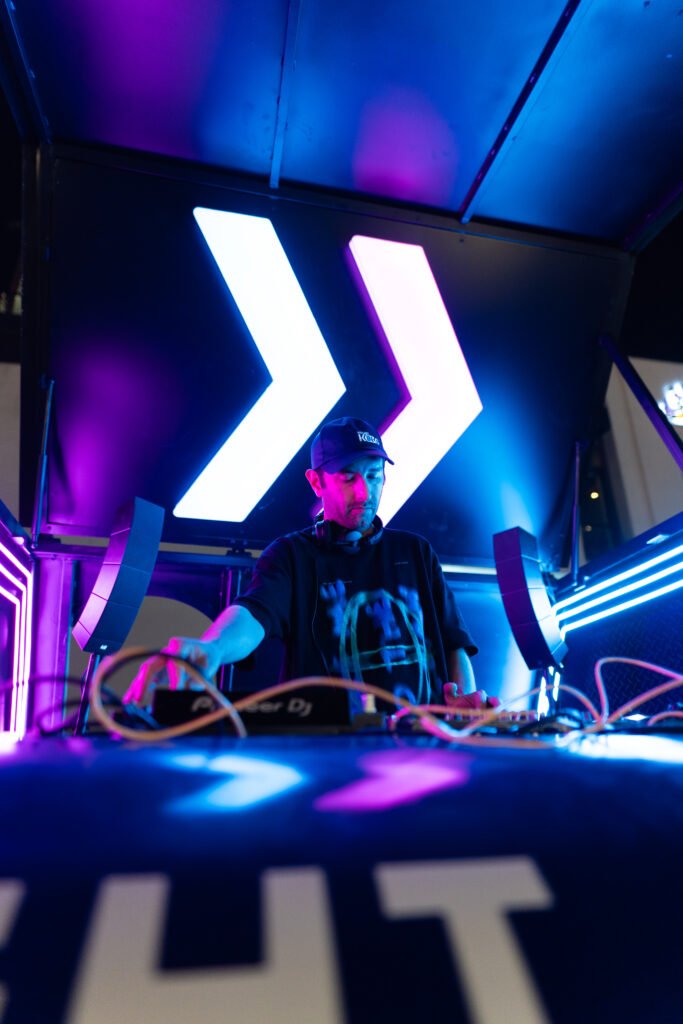
WHEN SOUND BECOMES IMAGE
Night King’s work is not limited to music.
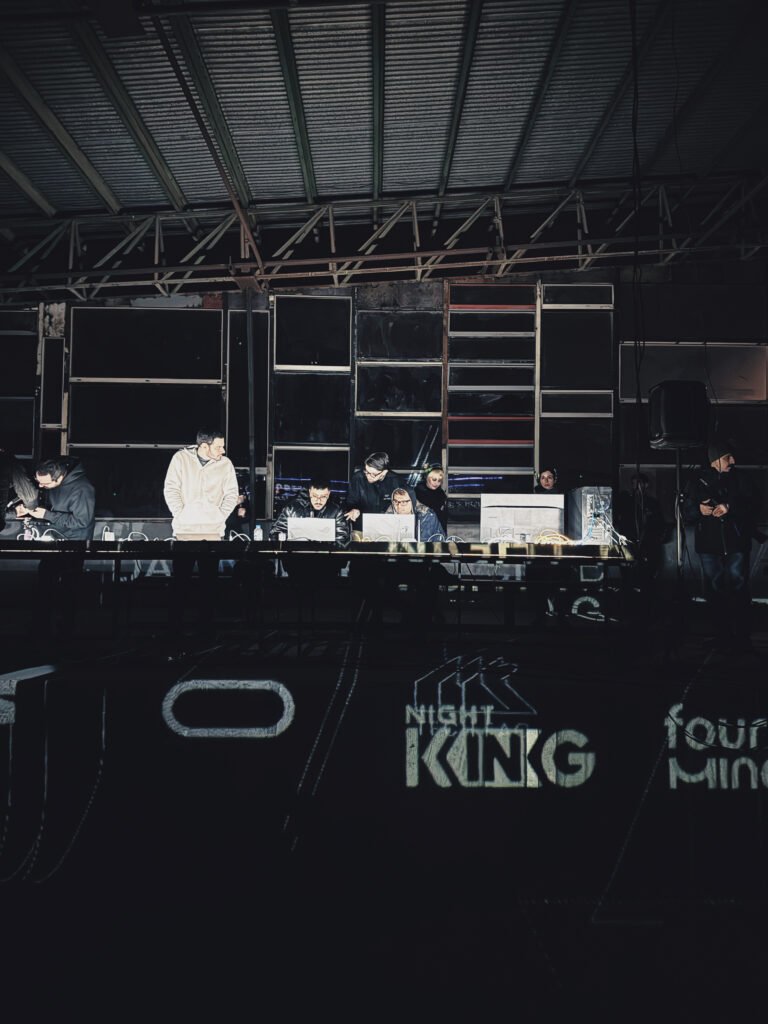
Its collaboration with Dayhim Art Society moves into audiovisual territory, bringing sound, image, movement, technology and space together.
It is the kind of experience that does not sit neatly inside one cultural category. You might enter expecting music and find yourself paying attention to the visual environment. A light installation changes the atmosphere of a room. Movement changes how the sound feels. Technology becomes part of the performance rather than something sitting quietly in the background.
The appeal is precisely that it is difficult to categorise.
For audiences already exposed to global music, independent fashion, digital art, visual culture and increasingly hybrid forms of entertainment, that matters. People are not simply looking for another event to attend. They are looking for something they have not encountered before.
That does not necessarily mean making something bigger.
It means giving people a reason to remember it.
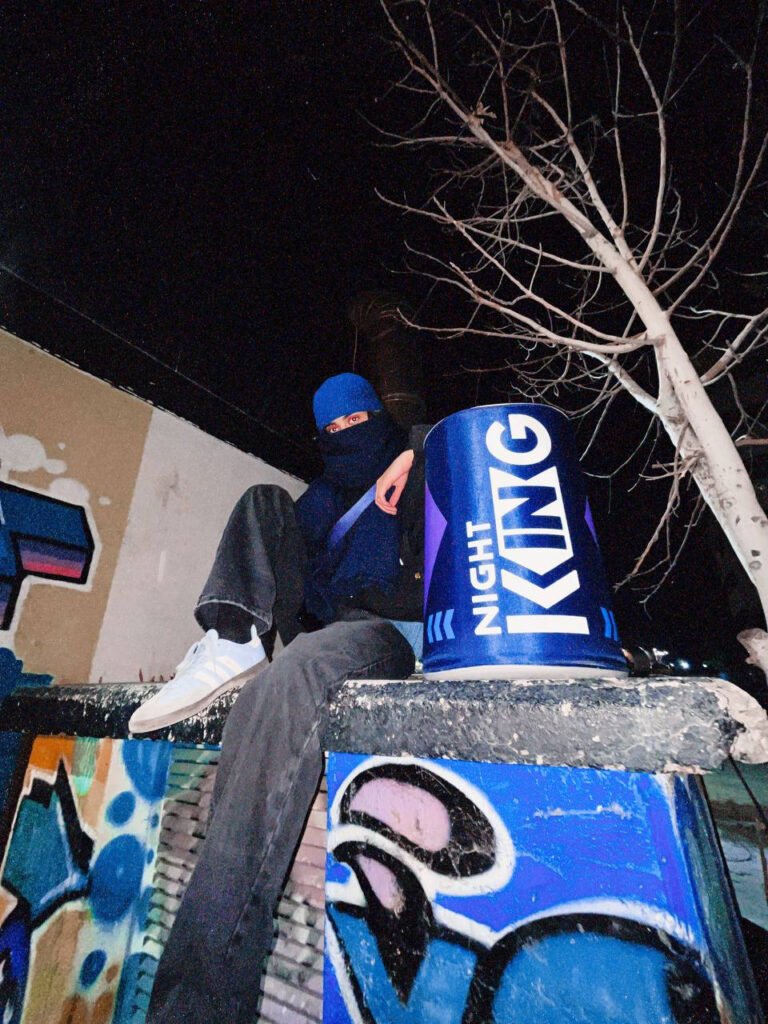
FROM BRAND PRESENCE TO CULTURAL PARTICIPATION
There is a difference between being visible in a culture and contributing to it.
The first is relatively easy. Find the right venue, invite the right names, build the right visual identity and place the brand in the frame.
The second takes longer.
Night King’s involvement in pop-ups, underground music, Night Stormers and projects such as the Dayhim Art Society collaboration suggests a different model of participation: supporting the people who are already creating, rather than attempting to manufacture a scene around the brand.
That also means accepting uncertainty.
Not every emerging artist will immediately become successful. Not every experimental event will become a landmark. Not every collaboration will have an obvious commercial outcome.
But cultural scenes are built through exactly these kinds of risks.
A new venue needs someone willing to support it before it has a reputation. An emerging artist needs someone willing to give them a serious opportunity before their name carries weight. A strange collaboration needs someone willing to see what happens before the result is guaranteed.
This is where a brand can become useful without becoming the centre of the story.
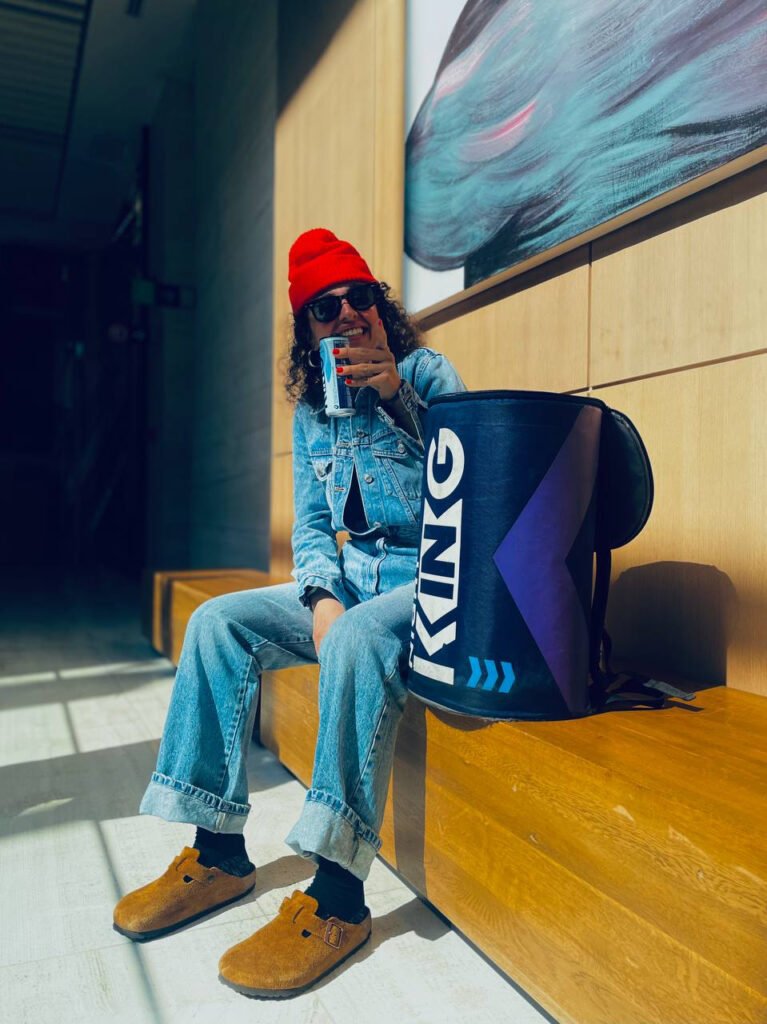
IGNITE THE DARKSIDE
“Ignite the Darkside” sits naturally within this world.
The darkside is not necessarily something sinister. It can be the part of a person that has not yet found its audience.
The strange idea.
The unfinished ambition.
The sound that does not quite fit anywhere yet.
The creative instinct that keeps returning even when there is no obvious place for it.
The identity that has not been fully expressed.
Night King’s role is not to tell people what that part should look like. It is to create more opportunities for those less visible sides to surface, whether through a new event, a collaboration, an artistic project or a first opportunity for an emerging creative.
That is also why the brand’s activity feels connected despite moving between different worlds.
A pop-up event, a DJ collaboration, Night Stormers and an audiovisual project may look completely different on the surface.
Underneath, they share the same idea: give people space to make something that did not exist before.
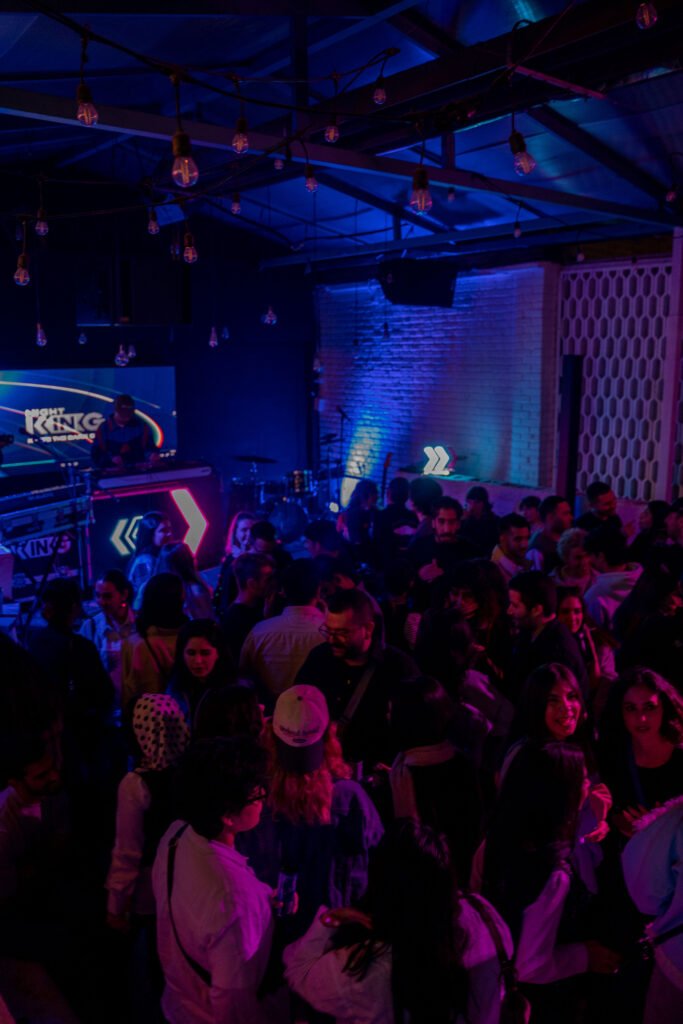
WHAT POWERS THE NIGHT?
Maybe the answer is not simply energy.
It is access. Curiosity. Risk. Obsession. Community.
It is the organiser spending weeks building an event that lasts four hours. The DJ testing a sound that might not make sense to everyone yet. The artist experimenting with a new medium. The designer getting their first serious brief. The young creative meeting someone who will become part of their next project.
Night King has chosen to put resources, opportunities and attention behind some of these people and spaces, from Tehran’s pop-up culture to underground music, from Night Stormers to collaborations with Dayhim Art Society.
None of these things exist in isolation.
Together, they form a picture of a city whose creative energy does not always announce itself.
Culture rarely arrives fully formed. It starts with a few people, an unfamiliar idea, a temporary space, a new sound or a collaboration that looks strange until it works.
Sometimes it starts after dark.
And sometimes the most interesting thing a brand can do is make sure there is somewhere for it to happen.