


Written by Lenia Ardalan
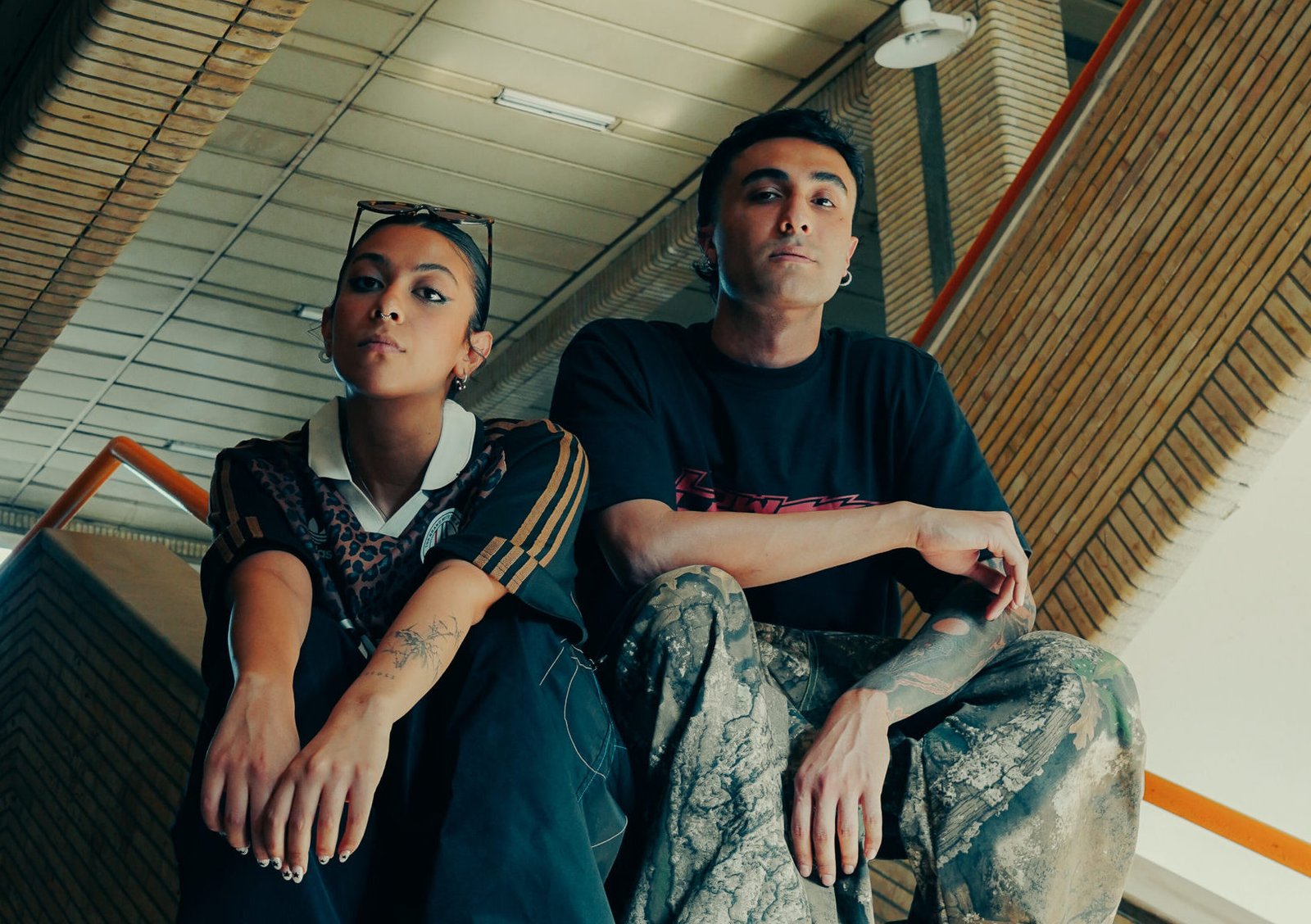
Emad was around 13 when he began teaching himself how to dance.
His first references were films, Street Dance and later Step Up, watched often enough that eventually watching became rehearsal. Then came scattered videos on Aparat, including clips of Les Twins, long before Instagram and YouTube became reliable sources for him. “Thirteen years ago, we weren’t far from technology,” he says. “We were far from information.”
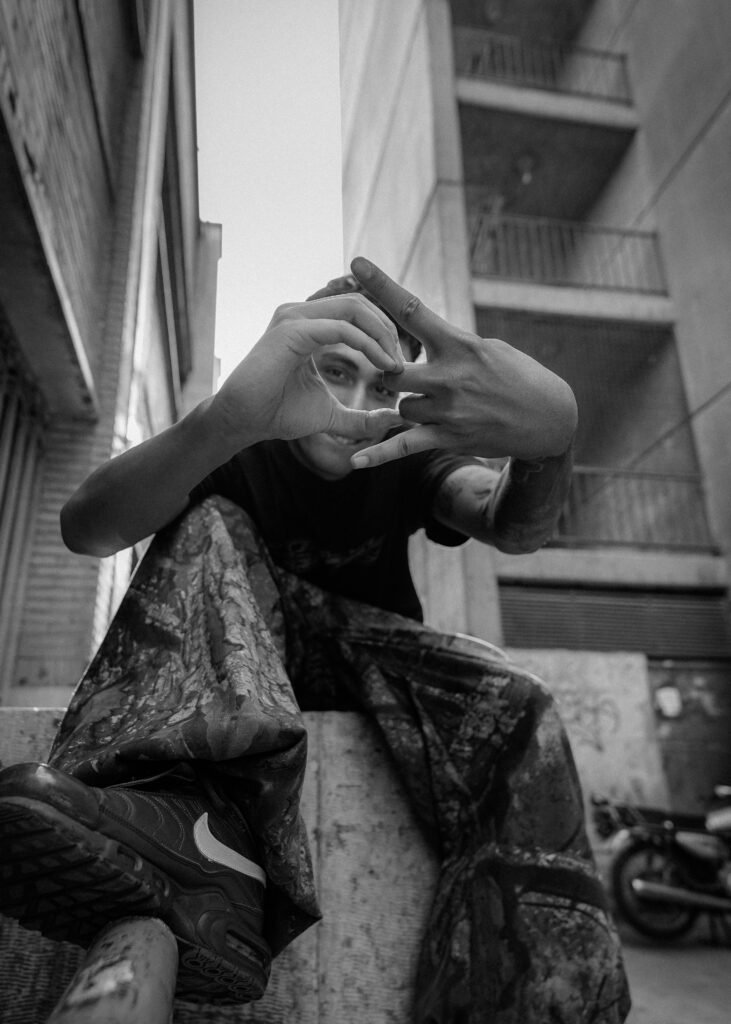
That distance shaped the way he learned. Emad would notice how one movement flowed into another and spend weeks trying to recreate it, only to discover much later that what he had been practicing already had a name. “I understood it before I learned it,” he says. Long before he had access to the vocabulary of dance, his body was already trying to construct one of its own.
“Thirteen years ago, we weren’t far from technology,” he says. “We were far from information.”
Much of that language was built in a park in west Tehran. At first, Emad practiced near the same people he had once played football and volleyball with. When they saw him falling, balancing, and repeating unfamiliar movements alone, some laughed or called him crazy. Eventually he moved farther into the park, toward a staircase hidden by trees where fewer people could see him. The asphalt was damaged, the summer sun was harsh, and at night the area became unsafe, but it gave him the privacy to continue.
Years later, he realized the restrictive space had influenced his dancing. His movement had become small, detailed and restrained. Outside, extending an arm too far meant reaching a tree or bush. At home, there were close walls, a downstairs neighbour and, for a time, the need to practice without drawing too much attention from his family. His body had learned to fit the room available. When larger spaces eventually came, Emad had to learn how to expand.
“My style was really small,” he says. “Very detailed, very shy.”
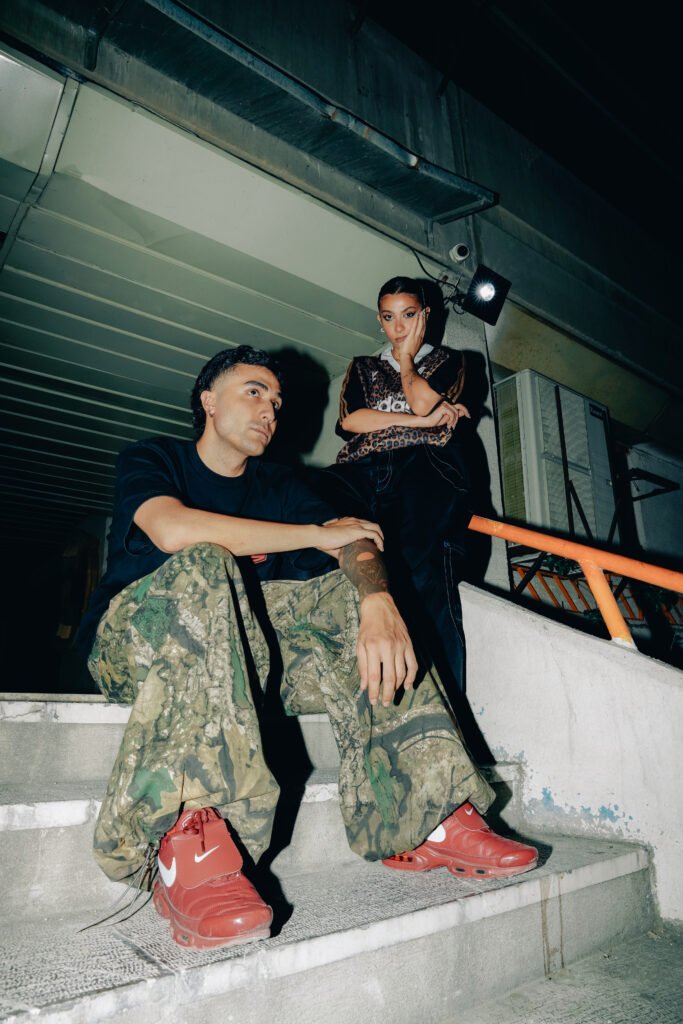
Elika came to freestyle from another direction. She had been drawn to performance since childhood, moving between dance, theatre, and contemporary movement without finding exactly what she wanted. “I knew there was something I was looking for,” she says. “I knew I would find it in performance.”
By her late teens, she was already surrounded by Tehran’s wider hip-hop culture through rap, production, and graffiti, yet she barely knew the freestyle dance community existed. That changed when she attended a women’s dance battle. Thirty or forty minutes into watching, she remembers turning to her friend Pariya and saying, “I think I found it. This is mine. I feel like I belong to this.”
The recognition came before the terminology. What Elika eventually understood was that she had been looking for improvisation, a form that could bring something internal outward without rehearsing it into something safer first. “I needed something that comes out of me,” she says, somewhere she could express both the lighter and darker parts of herself.
“I knew there was something I was looking for,” she says. “I knew I would find it in performance.”
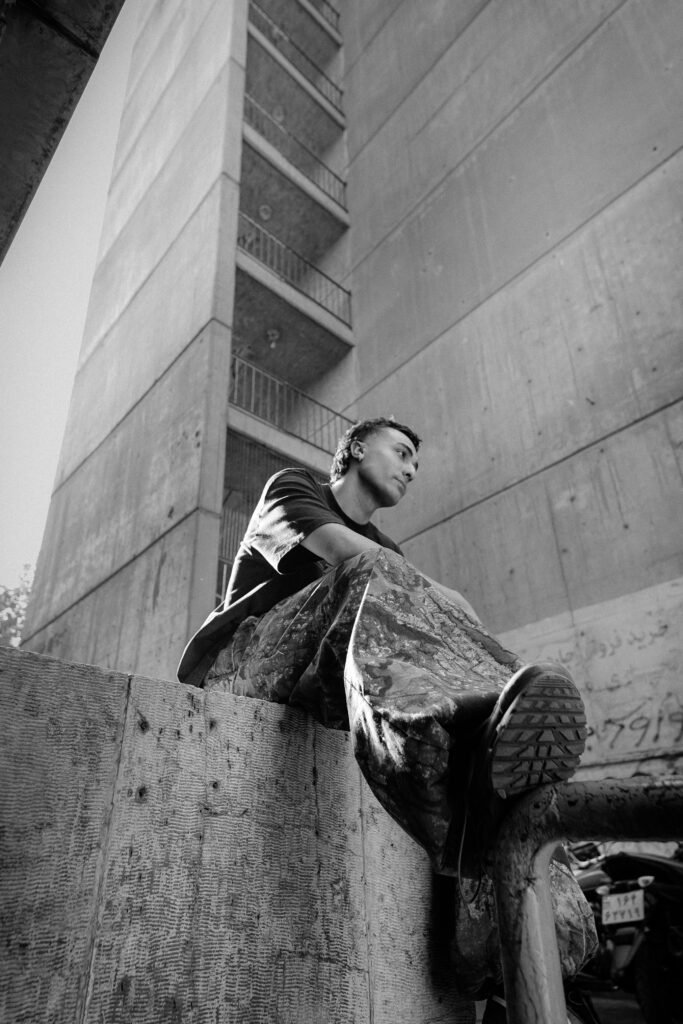
Only a few years separated their beginnings, but the culture around them had already changed. Emad remembers spending months trying to identify a song from a short video, searching comment sections until someone finally replied. Elika entered a world where dancers, battles, and styles appeared almost immediately. “I got lost in the amount of information,” she says. “It was a little scary.”
Emad had once wondered whether anyone else in Iran was doing what he was doing. Elika arrived knowing there were many others and had to ask who she was among them. Somewhere between those two experiences, isolated dancers had begun becoming a community.
For Emad, that shift introduced another lesson. He had learned by copying because, at the beginning, imitation was almost the only education available to him. Battles forced him to reconsider it. “You shouldn’t look like anyone,” he says. “You need your own style. Your own handwriting.”
He still returns to that word. Everyone may learn the same alphabet, but eventually something personal has to appear in the hand holding the pen. Even then, he says, the signature cannot stay still. “You might find your handwriting, but every year you have to update it.”
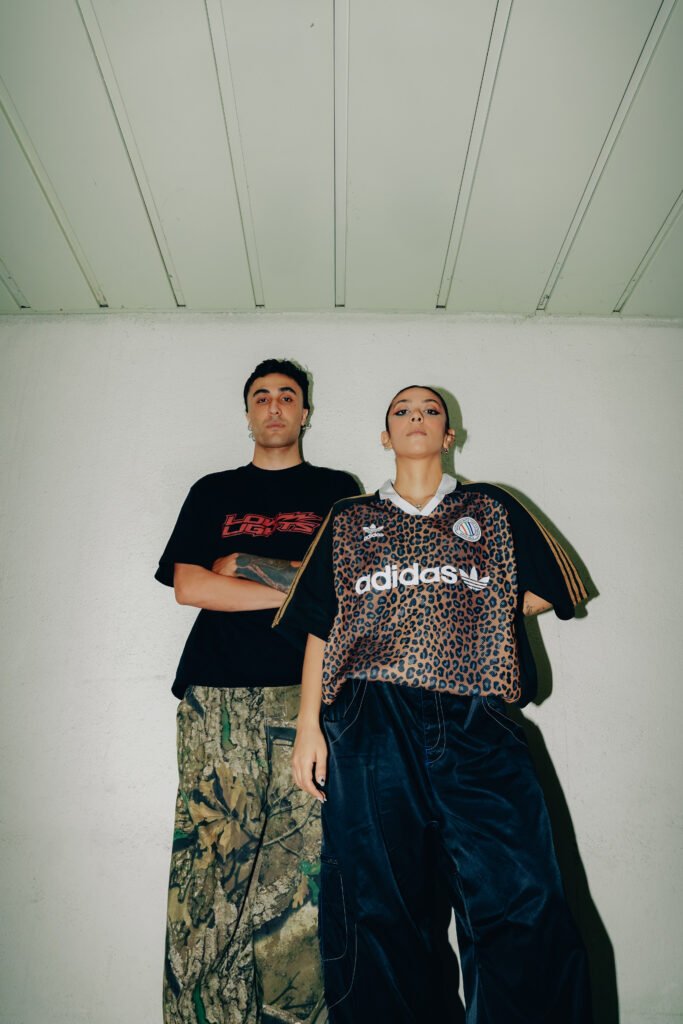
Elika’s harder lesson was internal.
Before freestyle, she believed she was highly confident. Improvisation exposed how much perfectionism sat underneath that confidence. “When you freestyle, it’s you and yourself,” she says. There is no choreography to hide behind and no time to correct every decision before somebody sees it.
She began to recognize some of that confidence as armor, something she had built against judgment and pressure. Once dance began breaking through it, she found that her harshest critic was often herself. “I don’t think anyone bullied me as much as I bullied myself,” she says. One of her greatest challenges became accepting that she could be imperfect in public without believing imperfection meant she did not belong there.
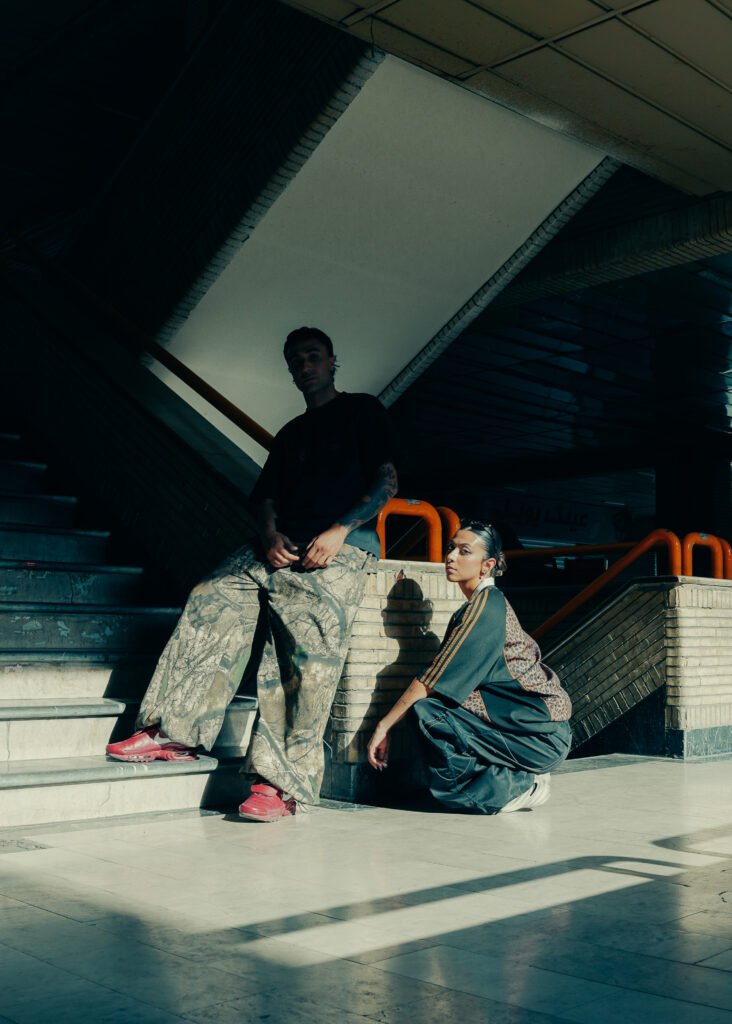
For artists in Iran, these private struggles rarely exist separately from practical ones. Creative work competes with the realities of earning a living, finding space, accessing information, and trying to build a profession in an environment where the work itself is not always recognized as one. Geography creates another kind of distance from international opportunities, communities and resources. For dancers, those pressures become particularly physical because the body needs somewhere to go.
Emad describes street practice as placing yourself directly inside one of your greatest fears. The music starts, strangers look, and the dancer has no control over the audience. Elika finds battles more frightening for the opposite reason. “Someone who understands dance catches you,” she says. A stranger might miss the mistake; another dancer will not. One learned resilience through being misunderstood, while the other learned vulnerability through being understood completely.
Public practice could also bring more tangible consequences.
Emad recalls police encounters in Ekbatan, being placed in police cars with the possibility of being taken to a station or made to sign a commitment, along with arguments and threats elsewhere in Tehran. Yet over time, he also watched repetition change some of those encounters. Places where dancers practiced regularly became associated with them. People came to watch. Security guards recognized the group. Even some officers began to know who they were.
On one occasion, while the group was practicing with loud music during days of public mourning, officers who had encountered them before simply asked them to return the following day. Emad remembers the moment because it contrasted sharply with earlier experiences. The broader restrictions had not disappeared. What had changed, in that particular place, was familiarity.
That gradual familiarity reflects something larger in the lives of many young creatives in Iran. Economic pressure affects how much time can be given to art, social boundaries shape where creative life can become visible, and distance complicates access to opportunity.
Yet those same conditions have also taught people how to build around what is missing.
Communities form online and move offline. Knowledge travels through classes, videos, and friendships. Spaces never designed for art become rehearsal rooms because artists continue returning to them.
Emad and Elika’s stories sit inside that reality without needing to represent all of it. Their dancing matters because it shows how an environment can become part of an artist’s language, sometimes consciously, sometimes without permission, just as the dimensions of Emad’s first practice space eventually entered the size of his movement.

What both dancers have learned is that freedom also has an internal dimension.
For Emad, one of the most important tools in freestyle is his inner child, the part associated with mischief, risk and breaking habits. Technique gives him choices, but playfulness allows him to choose something unexpected. His relationship with ambition has changed too. Money, recognition and status are welcome, but he no longer wants them to be the reason he dances.
He once stopped for roughly a year and a half to pursue fashion design and discovered he could not stay away. Asked whether he wants dance simply for itself, his answer is immediate: “Really, for itself.”
Elika has learned a different kind of release. Her perfectionism makes her search for the third or fourth idea before trusting the first, and she has learned how easily that instinct can remove the honesty from freestyle. She now describes improvisation as a balance between logic, emotion, and the body, and talks about quieting the “strict parent” inside her that corrects everything before it has a chance to appear.
Dance, she says, has also become a way of understanding herself, helping her calm her mind and recognize both the darker and lighter parts of who she is.
Those lessons now shape what they want to pass forward. Emad has taught more than a thousand students and sees sharing knowledge as part of his generation’s responsibility. He remembers what it felt like not to have information, and has become particularly interested in helping younger dancers develop a personal style rather than simply reproduce their teachers.
Elika thinks about the future through visibility. She remembers being immersed in hip-hop while barely knowing its dancers existed, and wants the next person to find the culture sooner. More importantly, she wants the work itself to carry something of the lives behind it.
“By freestyling, you’re showing the experience of an Iranian person,” she says, “not simply copying dancers outside Iran.”
The ambition is not to detach hip-hop from where it began, but to allow it to absorb another place and another way of living until something distinctly its own begins to emerge.
“By freestyling, you’re showing the experience of an Iranian person,” she says, “not simply copying dancers outside Iran.”
Perhaps that is the distance between Emad and Elika’s two beginnings. Emad once practiced almost entirely alone, trying to decipher dancers on a screen and wondering whether anyone else in Iran was doing the same. A few years later, Elika walked into a room full of dancers and immediately recognized somewhere she belonged.
Between those moments, a community became visible.
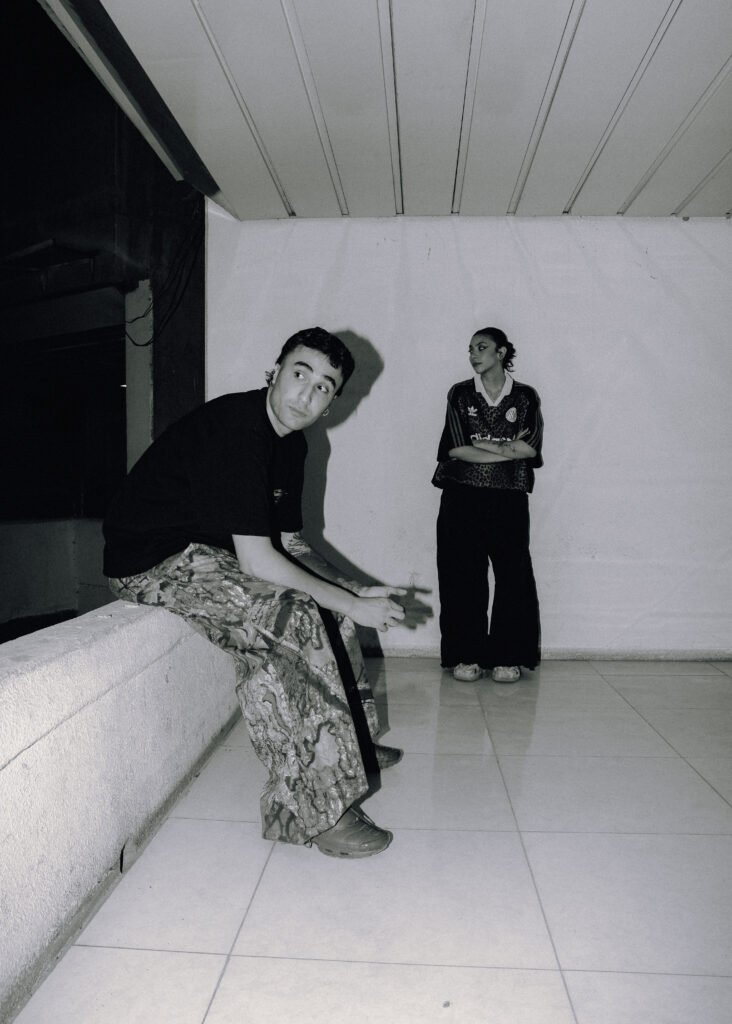
Neither dancer believes the work is finished. Emad is still revising his handwriting. Elika is still learning to trust the first idea before perfectionism edits it away. Iranian hip-hop, perhaps, is doing something similar, learning from what came before while slowly discovering what can only come from the people living it now.
A culture does not find its voice all at once. It gathers it slowly, through borrowed steps, crowded rooms, cracked pavement, and mistakes made in front of strangers. Eventually, the borrowing becomes memory, the memory becomes instinct, and someone moves in a way that could only have come from here.
If you liked this article, be sure to check out Night King: Fuelling Tehran's underground culture